From Zodiac to Birth Guardian Buddha: A Millennia-Old Cultural Interconnection
In the cultural constellation of traditional China, zodiac signs and Buddhism, seemingly parallel, have interwoven into a unique spiritual bond through the tempering of time. When we talk about “seeking one’s birth guardian Buddha,” we are actually exploring a cultural rapport that has spanned thousands of years — one deeply rooted in the Chinese people’s perception of life through zodiac signs, yet permeated with the compassionate protection wisdom of Buddhism.

I. Zodiac Signs: Life Symbols Etched in the Bloodline
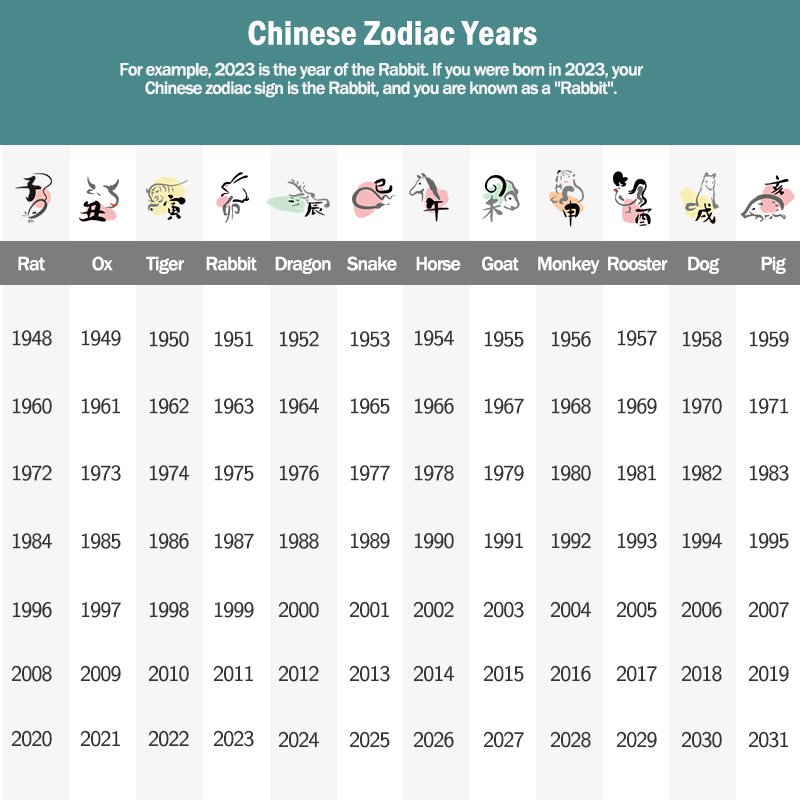
The Chinese Yinyang principle consists of a 12-year cycle, each year of which is named after a different animal that imparts distinct characteristics to its year. Many Chinese believe that the year of a person’s birth is the primary factor in determining that person’s personality traits, physical and mental attributes, and degree of success and happiness throughout one’s lifetime. The ancient Yinyang principle constructed a fantastic system of 10 heavenly stems and 12 mundane branches. The latter corresponds to 12 animals with two symbolic functions. Each animal is mystically related to one year in a 12-year cycle. Each animal also represents two hours or one-twelfth of every day. A person’s future is determined by this intriguing system. These twelve animals are Rat, Ox, Tiger, Rabbit, Dragon, Snake, Horse, Goat, Monkey, Rooster, Dog, and Pig. For example, the year 2023 is the year of Rabbit.
II. Buddhism: The Spiritual Soil of Compassionate Protection
From Guanyin Bodhisattva, who “hears the cries and relieves suffering,” to Manjushri Bodhisattva, who “illuminates the world with wisdom,” each sacred image in Buddhism carries a specific vow: Samantabhadra Bodhisattva symbolizes practice and diligence; Ksitigarbha Bodhisattva represents vows and perseverance… This belief in “protecting all living beings with vows” coincides with the Chinese people’s simple pursuit of “peace and smoothness,” laying the groundwork for the encounter between zodiac culture and Buddhism.
III. Zodiac and Buddhism: The Inevitability of Cultural Integration
After the Wei and Jin dynasties, with the in-depth spread of Buddhism in China, monks began to explain Buddhist doctrines using the zodiac symbols familiar to the Chinese — for example, corresponding “twelve hours” with “twelve links of dependent origination,” and using “zodiac cycles” to metaphorize “the flow of life.” This localized interpretation made abstract Buddhist concepts approachable and understandable. And believers found a link to Buddhism in zodiac signs: since each zodiac sign has a unique life path, is there a corresponding Buddha or Bodhisattva who can provide protection along this path?
Thus, in the natural evolution of folk beliefs, a stable corresponding relationship between “zodiac signs” and “Buddhas and Bodhisattvas” gradually took shape — this is the origin of “birth guardian Buddha”: it is not a direct record in Buddhist classics, but a product of the integration of Chinese culture and Buddhist spirit, and a concrete answer sought by the Chinese people through their own cultural logic to “how to obtain protection.”
IV. Birth Guardian Buddha: The Compassionate Protection Behind Zodiac Signs
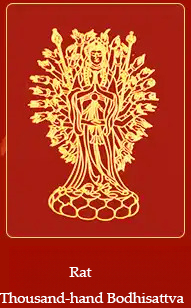
- Those born in the Year of the Rat correspond to Thousand-hand Bodhisattva with Thousand Hands and Eyes, who, with the compassion of a thousand hands and a thousand eyes, protects the agile and quick-witted for peace and smoothness;
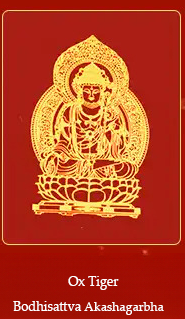
- Those born in the Years of the Ox and Tiger correspond to Bodhisattva Akashagarbha, who, with infinite wisdom and the vow of wealth, blesses the steady and brave to achieve their wishes;
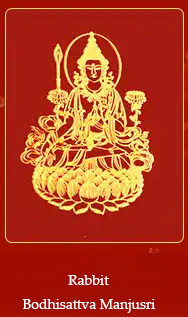
- Those born in the Year of the Rabbit correspond to Bodhisattva Manjusri, who, with the sword of wisdom to dispel delusions, protects the intelligent and sharp to discern directions;
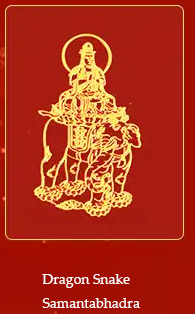
- Those born in the Years of the Dragon and Snake correspond to Samantabhadra Bodhisattva, who, with great vows, helps practitioners move forward steadily;
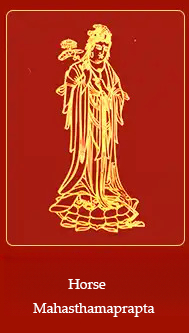
- Those born in the Year of the Horse correspond to Mahasthamaprapta Bodhisattva, who, with the great momentum of compassion, guides the diligent not to lose their way;
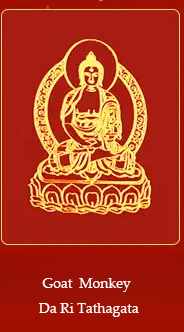
- Those born in the Years of the Goat and Monkey correspond to Da Ri Tathagata Bodhisattva, who, with universal light, protects the gentle and flexible to have a smooth journey;
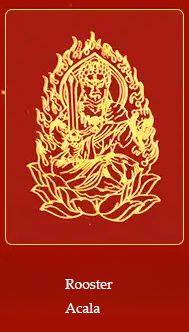
- Those born in the Year of the Rooster correspond to Acala Bodhisattva, who, with firm will, helps the decisive overcome obstacles;
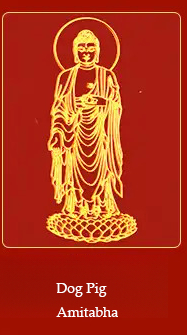
- Those born in the Years of the Dog and Pig correspond to Amitabha Buddha, who, with the vow of paradise, protects the loyal and generous to enjoy peace and harmony.
These correspondences have nothing to do with superstition but are a cultural agreement: zodiac signs are the inherent life symbols of ours, and birth guardian Buddha is the compassionate expectation endowed behind this symbol. It reminds us that every life deserves to be protected, and this protection stems from both the reverence for traditional culture and the belief in “pursuing goodness and beauty.”