Dragon、Snake——Samantabhadra Bodhisattva buddha

Samantabhadra Bodhisattva, a pivotal figure in Mahayana Buddhism, is revered as the embodiment of virtuous action, great vows, and the living practice of enlightenment. His name, derived from Sanskrit, blends “samanta” (universal) and “bhadra” (auspicious or virtuous)—a reflection of his role as a timeless guide for all beings seeking to cultivate goodness through consistent practice and unwavering commitment.
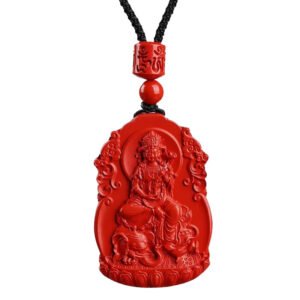
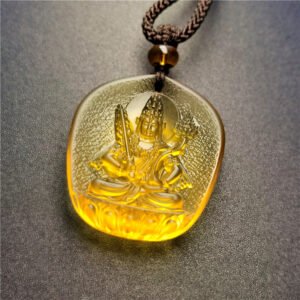
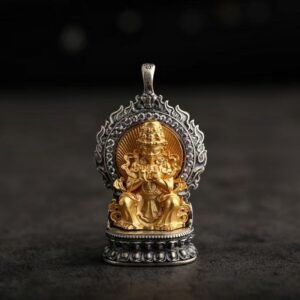
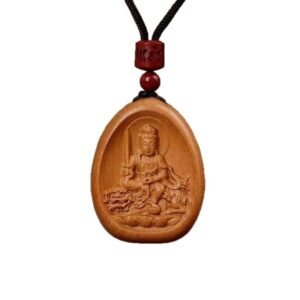
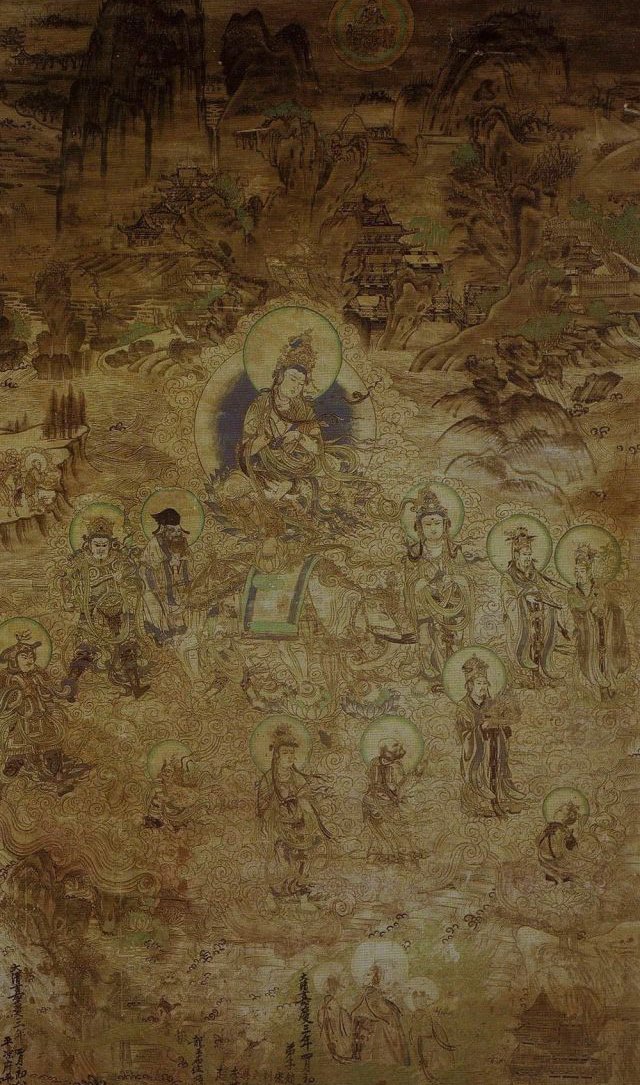
In Buddhist iconography, Samantabhadra is most distinctly portrayed riding a six-tusked white elephant—a sacred mount rich with symbolic depth. Far more than a mere companion, this majestic creature embodies the essential qualities needed to traverse the path of enlightenment. Typically, he holds a lotus flower, a symbol of spiritual growth that thrives amid life’s complexities, emerging pure from dedicated practice. His serene demeanor and radiant aura, paired with the elephant’s steady presence, encapsulate the harmony of thought and action, reminding practitioners that enlightenment is not just a state of mind but a life lived with purpose.
Samantabhadra Bodhisattva, a pivotal figure in Mahayana Buddhism, is revered as the embodiment of virtuous action, great vows, and the living practice of enlightenment. His name, derived from Sanskrit, blends "samanta" (universal) and "bhadra" (auspicious or virtuous)—a reflection of his role as a timeless guide for all beings seeking to cultivate goodness through consistent practice and unwavering commitment.buddha jewelry stone

Origins and Spiritual Vows

Samantabhadra’s significance is deeply anchored in ancient Buddhist texts, most notably the Avataṃsaka Sūtra (Flower Garland Sutra), where he articulates the “Samantabhadra’s Vows”—ten profound commitments that serve as a blueprint for spiritual living. These vows include honoring all Buddhas, serving sentient beings selflessly, and pursuing enlightenment until every being is liberated. They underscore a core truth: virtue is not static but nurtured through continuous action and compassionate engagement with the world.
In Chinese Buddhism, he is closely linked to Mount Emei in Sichuan Province, regarded as his sacred abode. For millennia, pilgrims have journeyed here to seek his blessings, drawn to his teachings on perseverance, humility, and the transformative power of consistent practice in everyday life.

Symbolism and Teachings

  • The Six-Tusked White Elephant: This iconic mount lies at the heart of Samantabhadra’s symbolism. The elephant’s immense strength represents the power to overcome obstacles on the spiritual path, while its gentle nature reflects the kindness with which one should meet challenges. Its whiteness symbolizes purity of intention—ensuring actions spring from virtue rather than ego. Most significantly, the six tusks correspond to Buddhism’s six perfections (paramitas): generosity, ethics, patience, diligence, concentration, and wisdom. Together, they form a holistic framework for integrating spiritual values into every facet of life, from daily interactions to long-term aspirations.
  • The Lotus Flower: Held in Samantabhadra’s hand, the lotus signifies that spiritual growth emerges from the “mud” of ordinary life. It reminds practitioners that enlightenment is not found in escaping the world but in engaging with it with kindness, purpose, and presence.
  • Great Vows: Samantabhadra’s vows emphasize “walking the talk”—faith without action remains incomplete, and true spirituality is expressed through service to others and a commitment to self-improvement.

Cultural Influence and Iconography

Samantabhadra’s influence resonates across East Asian Buddhist traditions, from China and Tibet to Japan and Vietnam. In Chinese temples, he is often depicted alongside Shakyamuni Buddha and Manjushri Bodhisattva, forming a trinity that represents the unity of enlightenment (Buddha), wisdom (Manjushri), and practice (Samantabhadra). This trinity highlights a fundamental truth: wisdom must be paired with action to realize enlightenment.
He is particularly revered by those seeking strength in perseverance—whether in spiritual practice, career, or personal growth. Devotees often recite his vows or meditate on his image, including his elephant mount, to cultivate diligence, resilience, and a sense of purpose, trusting in his presence to inspire unwavering commitment to their goals with integrity.

Connection to the Chinese Zodiac

As the birth guardian Buddha for those born in the Years of the Dragon and Snake, Samantabhadra’s energy aligns naturally with the inherent traits of these signs. Dragons, known for ambition and leadership, and Snakes, admired for wisdom and patience, find in him a patron who harmonizes their strengths: he supports Dragons in channeling their drive into purposeful action and guides Snakes in translating insight into consistent practice. His elephant mount, with its blend of strength and steadiness, mirrors the balance both signs need—encouraging passion without recklessness and patience without stagnation.
In essence, Samantabhadra Bodhisattva embodies the Buddhist principle that enlightenment is a journey, not a destination—a journey sustained by daily acts of virtue, compassion, and commitment. He reminds us that every small, intentional action contributes to our growth and the well-being of all beings.
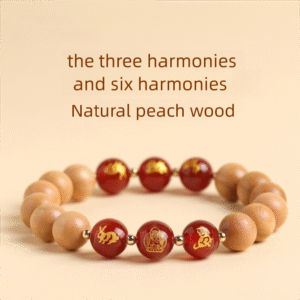
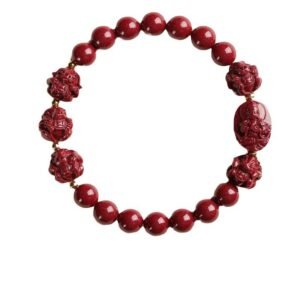
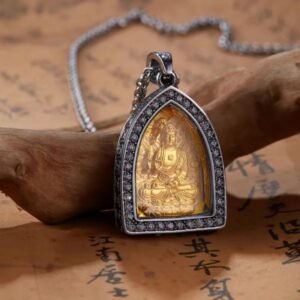
Carry the guiding spirit of Samantabhadra Bodhisattva with our curated collection of sacred jewelry. Each piece, from intricately crafted pendants featuring his image with the six-tusked elephant to bracelets etched with symbols of his vows, is made with reverence for tradition and attention to the depth of his teachings. Wearing these ornaments serves as a daily reminder to embrace purposeful action, stay committed to your path, and let every step reflect your highest values. Explore our selection today to find a meaningful token that connects you to Samantabhadra’s timeless wisdom, enriching your journey toward growth and enlightenment.
Shopping Cart
Scroll to Top