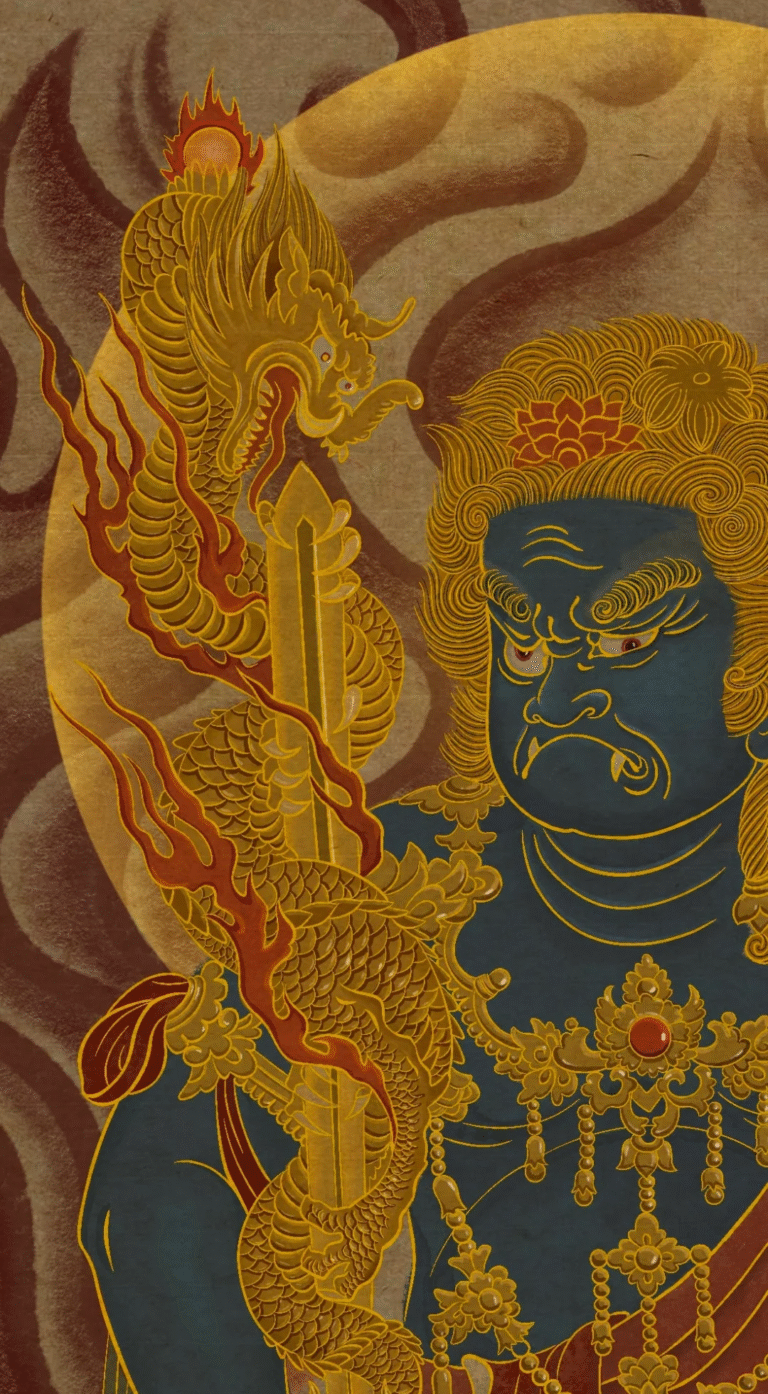
Rooster——Acala Bodhisattva buddha

Acala Bodhisattva, also known as Fudō Myō-ō in Japanese Buddhism, is a revered figure in Esoteric Buddhism, celebrated as the embodiment of unshakable resolve, fierce compassion, and the power to overcome obstacles and negative forces. His name, derived from Sanskrit, means “immovable” or “unconquerable,” reflecting his role as a guardian who remains steadfast in protecting practitioners from ignorance, greed, and delusion.
In Buddhist iconography, Acala is depicted with a striking and intense appearance: a wrathful expression with furrowed brows and a third eye, symbolizing his ability to see through illusion. He typically wields a sword in his right hand, representing the cutting of ignorance, and a rope in his left hand, signifying the restraint of negative tendencies. His body is often surrounded by flames, which symbolize the purification of defilements through the fire of wisdom. Despite his fierce demeanor, his essence is rooted in compassion—his wrath is directed solely at the forces that hinder spiritual growth.
Acala Bodhisattva, also known as Fudō Myō-ō in Japanese Buddhism, is a revered figure in Esoteric Buddhism, celebrated as the embodiment of unshakable resolve, fierce compassion, and the power to overcome obstacles and negative forces. His name, derived from Sanskrit, means "immovable" or "unconquerable," reflecting his role as a guardian who remains steadfast in protecting practitioners from ignorance, greed, and delusion.​ In Buddhist iconography, Acala is depicted with a striking and intense appearance: a wrathful expression with furrowed brows and a third eye, symbolizing his ability to see through illusion. He typically wields a sword in his right hand, representing the cutting of ignorance, and a rope in his left hand, signifying the restraint of negative tendencies. His body is often surrounded by flames, which symbolize the purification of defilements through the fire of wisdom. Despite his fierce demeanor, his essence is rooted in compassion—his wrath is directed solely at the forces that hinder spiritual growth.

Origins and Spiritual Significance

Acala’s origins trace to ancient Indian Esoteric Buddhist texts, where he is described as a manifestation of Vairocana Buddha’s wisdom and power. He is one of the Five Wisdom Kings, a group of protective deities in Esoteric Buddhism who embody the transformative power of the Buddhas’ wisdom. His primary vow is to protect practitioners on their spiritual path, destroying obstacles and ensuring they remain firm in their resolve to attain enlightenment.
In Chinese and Japanese Esoteric Buddhism, Acala is revered as a powerful ally for those facing challenges, whether internal (such as doubt or laziness) or external (such as adversity or negative influences). His practice is associated with cultivating mental strength, discipline, and the courage to confront one’s fears and weaknesses.

Symbolism and Teachings

  • The Sword: The sword held by Acala represents the sharp, discriminative wisdom that cuts through ignorance, delusion, and negative thoughts. It symbolizes the power to overcome mental obstacles and see reality clearly.
  • The Rope: The rope signifies the ability to restrain and transform negative tendencies, such as anger, greed, and attachment, into positive qualities. It represents the discipline needed to stay on the path of virtue.
  • Flames: The flames surrounding Acala symbolize the purification of the mind through the intensity of spiritual practice. They represent the transformative power of wisdom, which burns away defilements and reveals the inherent purity of the mind.
  • Wrathful Appearance: Acala’s fierce expression is not a sign of anger but of his unwavering commitment to protecting practitioners and destroying obstacles. It reflects the urgency with which we must address our own ignorance to attain enlightenment.

Cultural Influence and Iconography

Acala’s influence is particularly strong in East Asian Esoteric Buddhist traditions, where he is depicted in temple art, sculptures, and scroll paintings. In Japan, he is one of the most popular deities, with his images frequently found in Buddhist temples and shrines. In China, he is revered as a powerful protective deity, and his practice is linked to overcoming difficulties and achieving success in endeavors.
He is especially revered by those seeking strength and determination, such as warriors, students, and anyone facing challenging situations. His image is often used in meditation practices to cultivate courage, focus, and resilience.

Connection to the Chinese Zodiac

As the birth guardian Buddha for those born in the Year of the Rooster, Acala’s energy resonates deeply with the Rooster’s inherent traits—confidence, determination, and a strong sense of purpose. Roosters are known for their honesty, diligence, and ability to face challenges head-on, and Acala’s guidance helps amplify these qualities. He supports Roosters in staying true to their values, overcoming obstacles, and using their strengths to achieve goals with integrity.
In essence, Acala Bodhisattva is a reminder that true strength comes from within—from the courage to confront fears, the discipline to stay on the path, and the wisdom to transform obstacles into opportunities for growth. He inspires practitioners to remain steadfast in spiritual practice and life, never wavering in the pursuit of goodness and enlightenment.
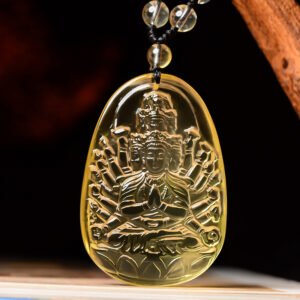
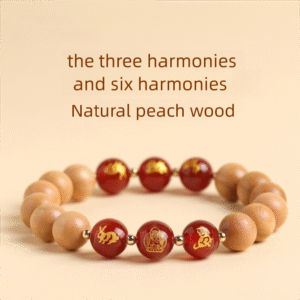
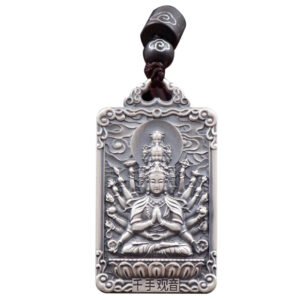
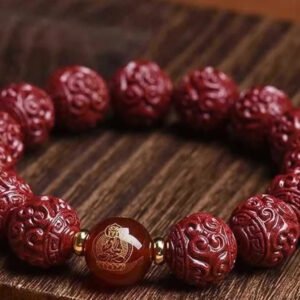
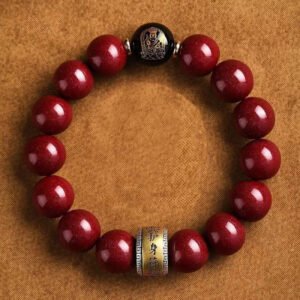
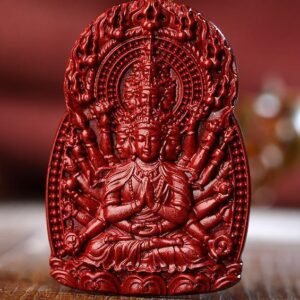
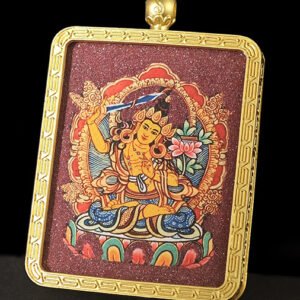
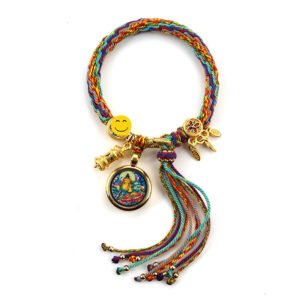
Carry the powerful presence of Acala Bodhisattva with our exquisite collection of sacred jewelry. Each piece, from intricately designed pendants featuring his iconic image with the sword and rope to bracelets adorned with flame symbols, is crafted with reverence for tradition and attention to the depth of his teachings. Wearing these ornaments serves as a daily reminder of inner strength and resolve, encouraging you to face challenges with courage, stay true to your path, and transform obstacles into opportunities. Explore our selection today to find a meaningful token connecting you to Acala’s timeless wisdom, enhancing your journey toward strength, discipline, and enlightenment.
Shopping Cart
Scroll to Top