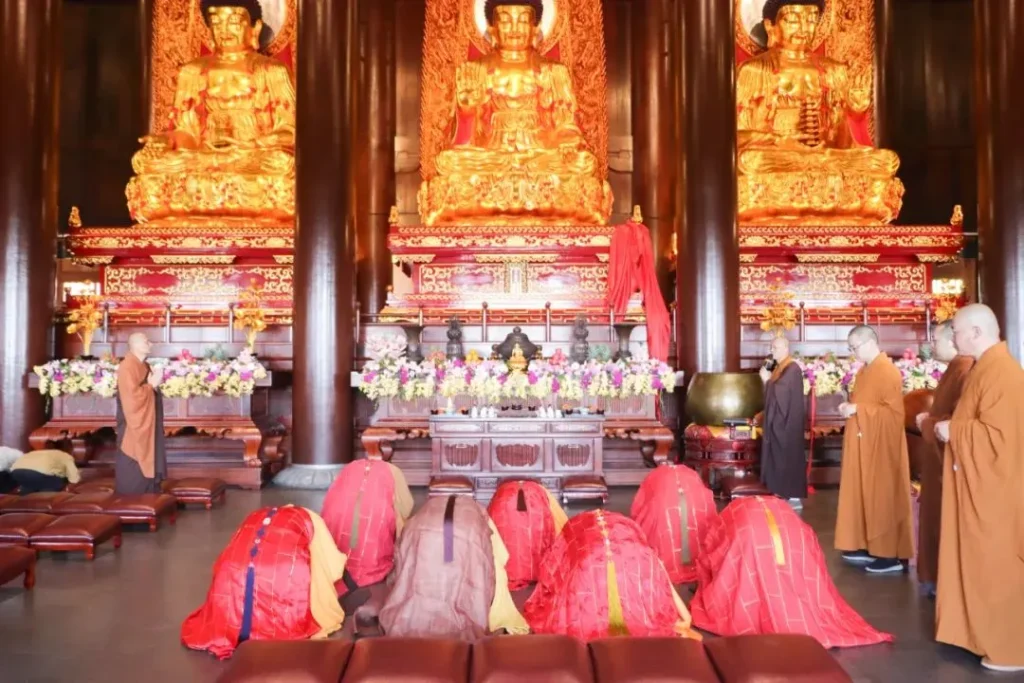
buddha Consecration Ceremony
The “consecration” of Buddhist jewelry is a religious ritual with special significance in Buddhist culture. Its core lies in endowing objects with symbolic “sacredness” through specific rituals, making them important carriers in the hearts of believers that connect faith with daily life.
I. Origin and Core Connotation of Consecration
1.Origin Background
2.Core Connotation
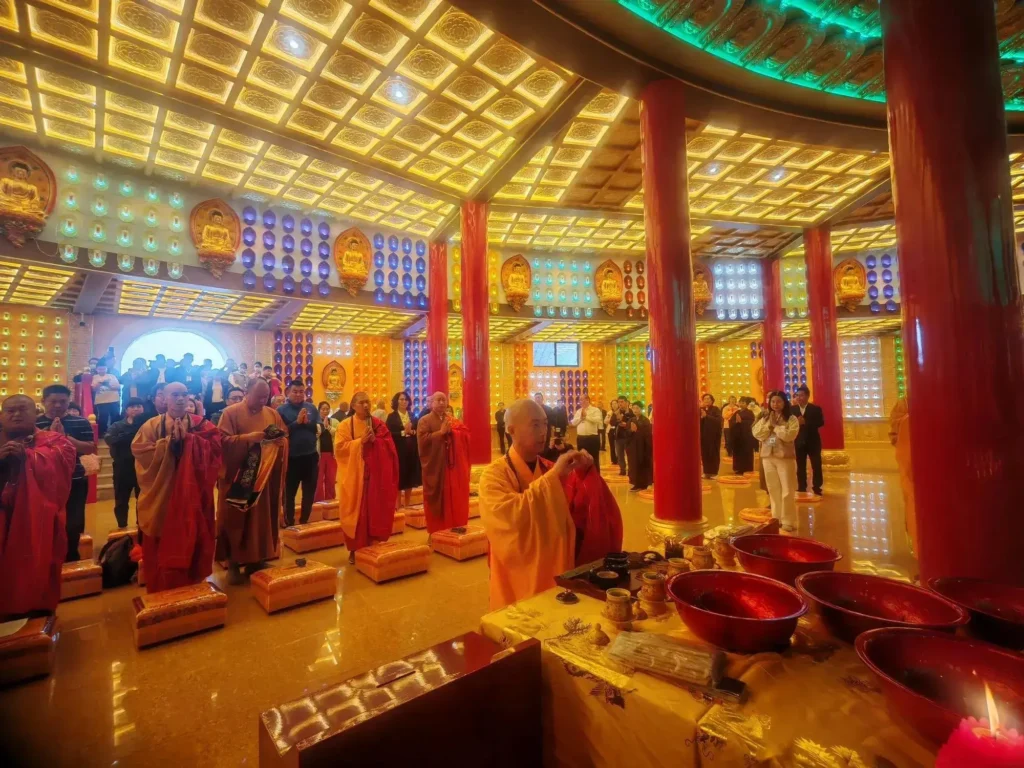
II. Ritual Process of Consecration for Buddhist Jewelry
The specific steps of the consecration ceremony will vary slightly due to different sects (such as Han Buddhism, Tibetan Buddhism, etc.) and the inheritance of mages, but the core links are roughly the same, usually including the following steps:
1.Preparation Stage
Cleaning of objects: Before consecration, the jewelry should be cleaned, which symbolizes “removing distracting thoughts and purifying the body and mind”.
Altar setup: A offering table is set up in the Buddhist hall, with Buddha statues, incense burners, candlesticks, and offerings (such as fruits, clear water, etc.) placed to create a solemn religious atmosphere.
2.Core Rituals
- Burning incense and chanting scriptures: The mage burns incense and worships, chants Buddhist classics (such as “Heart Sutra”, “Great Compassion Mantra”, etc.), and prays for the blessing of Buddhas and Bodhisattvas.
- Sprinkling water for purification: Sprinkle clear water or “Great Compassion Water” on the jewelry, symbolizing “purifying the object and eliminating karmic obstacles”.
- Chanting mantras for blessing: The mage holds the jewelry, cooperates with specific mudras, and chants mantras (such as the Six-character Great Bright Mantra, Consecration Mantra, etc.) for blessing.
- Dotting the eyes (symbolic): For the consecration of Buddha statues, there will be a “dotting the eyes” link, that is, the mage uses a cinnabar pen to dot the eyes of the Buddha statue, symbolizing “endowing life”; while for the consecration of jewelry, it is mostly replaced by touching and chanting scriptures, symbolizing “opening spiritual wisdom”.
- Transferring merits and making vows: At the end of the ceremony, the mage will transfer the merits to the believers, praying for the wearer’s safety and smoothness, and at the same time reminding believers that “acting with good intentions will bring protection”.
3.Solemnity of the Ceremony
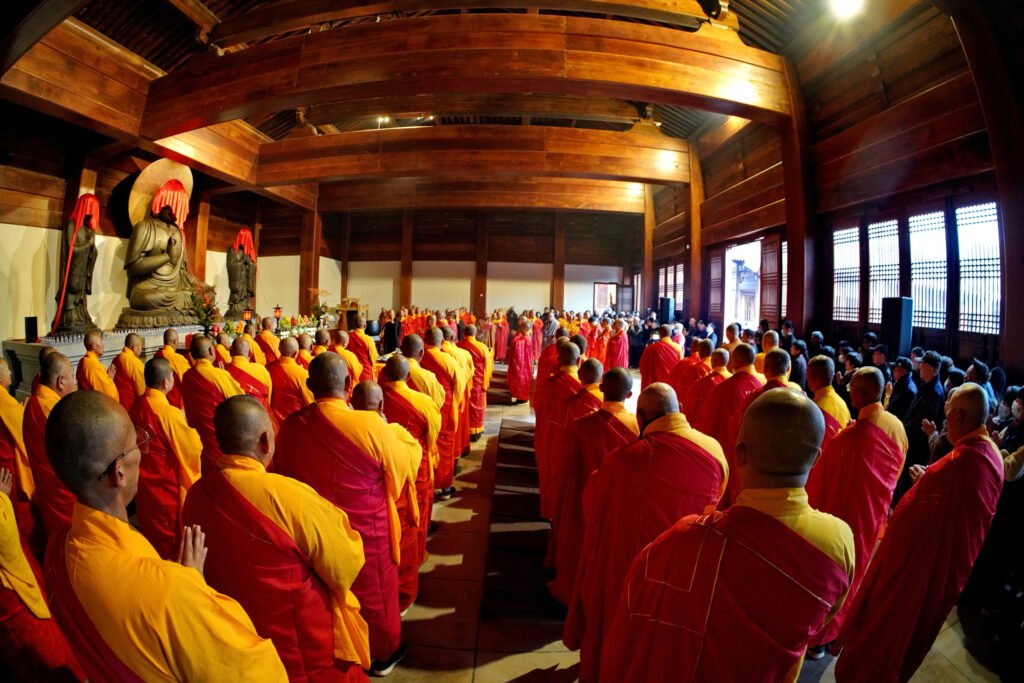
Consecration must be presided over by a monk (mage) who has received full ordination, and must be carried out in a regular temple or a recognized religious place. It attaches great importance to “abiding by the Dharma and rituals” and puts an end to arbitrary commercial operations.
III. Religious Significance of Consecrated Jewelry and Believers' Cognition
1.Significance to Believers
- Spiritual sustenance: Consecrated jewelry, in the eyes of believers, is a “medium connecting with Buddhas and Bodhisattvas”. When wearing it, it can always remind oneself to maintain good intentions and practice diligently.
- Symbol of praying for blessings: It carries believers’ wishes for a better life such as health, safety and smoothness, and becomes a kind of psychological comfort for believers when facing life.
2.Essential View of Buddhism
Buddhism emphasizes that “cause and effect are not empty”, and believes that the “efficacy” of consecration does not come from the object itself, but from the “sincerity” and “doing good deeds” of believers. The “Diamond Sutra” says, “All phenomena are illusory”, which reminds believers that they should not cling to the “sacredness” of objects, but should focus on inner practice.