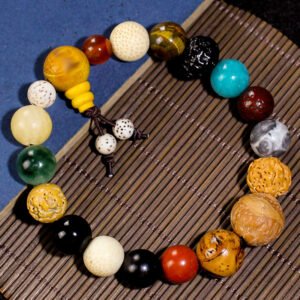
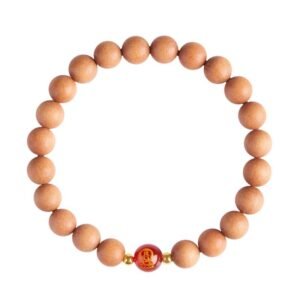
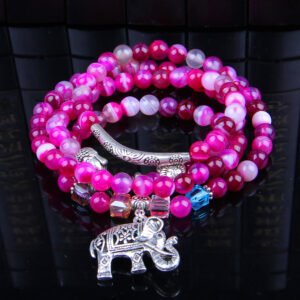
Introduction to Buddhist Bracelets for Beginners
Table of Contents
- Introduction to Buddhist Bracelets for Beginners
- Understanding the Significance of Buddhist Bracelets
- The Role of Size in Choosing a Buddhist Bracelet
- Types of Buddhist Bracelets Based on Bead Materials and Their Meanings
- The Symbolism of Bead Shapes in Buddhist Bracelets
- The Significance of Knotting in Buddhist Bracelets
- Cultural and Regional Variations in Buddhist Bracelets
- How to Choose a Buddhist Bracelet According to Your Spiritual Goals
- Budget – Friendly Options for Beginners
- Quality Considerations When Selecting a Buddhist Bracelet
- Buying from Reputable Sources
- Thoughts on DIY Buddhist Bracelets
- Styling Your Buddhist Bracelet in Everyday Life
- Caring for Your Buddhist Bracelet
- Conclusion
- FAQs
Introduction to Buddhist Bracelets for Beginners
For those new to the world of Buddhism or simply intrigued by the spiritual and aesthetic allure of Buddhist bracelets, the process of selection can seem a bit daunting. However, with a clear understanding of the various aspects involved, from size and materials to the profound meanings they carry, choosing the perfect bracelet can be a rewarding and meaningful experience. Buddhist bracelets are not just accessories; they are tangible connections to the rich spiritual heritage of Buddhism, serving as reminders of one’s spiritual journey and the teachings of the Buddha.
Understanding the Significance of Buddhist Bracelets
Buddhist bracelets hold deep spiritual significance within the Buddhist faith. They are often used as tools for meditation, with each bead representing a step on the path to enlightenment. The act of counting the beads while reciting mantras or engaging in focused thought is a way to calm the mind, increase concentration, and develop a deeper connection with the spiritual realm.
Beyond their use in meditation, these bracelets are symbols of protection, good luck, and spiritual growth. They can serve as a constant reminder of the Buddhist principles such as compassion, wisdom, and non – attachment. Wearing a Buddhist bracelet is a visible expression of one’s spiritual commitment and can also inspire others to explore the teachings of Buddhism.
The Role of Size in Choosing a Buddhist Bracelet
Measuring Your Wrist
The first step in choosing the right – sized Buddhist bracelet is accurately measuring your wrist. Use a flexible measuring tape or a piece of string. Wrap it around the narrowest part of your wrist, just below the wrist bone. Make sure the tape or string is snug but not too tight. If you’re using a string, mark the point where it meets and then measure the length against a ruler. This measurement will give you a baseline for the circumference of the bracelet you need.
Different Bracelet Sizes and Their Suitability
- Small – Sized Bracelets: These typically have a circumference of around 6 – 7 inches. They are ideal for those with petite wrists, such as women with smaller bone structures or children. A small – sized bracelet can give a dainty and delicate look, and it may be more comfortable for those who prefer a closer – fitting accessory.
- Medium – Sized Bracelets: With a circumference in the range of 7 – 8 inches, medium – sized bracelets are the most common. They are suitable for a wide range of people, both men and women, with average – sized wrists. This size offers a good balance between comfort and visibility.
- Large – Sized Bracelets: Measuring 8 inches or more in circumference, large – sized bracelets are designed for individuals with larger wrists, such as men with thick forearms or those who prefer a looser – fitting bracelet. A large bracelet can make a bold statement and may be more comfortable for those who don’t like their jewelry to feel constricting.
Considerations for Bead Size and Overall Bracelet Size
The size of the beads on the bracelet also impacts the overall size and feel. Larger beads will result in a bulkier bracelet, which may be more visually prominent but could also be heavier. Smaller beads, on the other hand, create a more delicate and lightweight look. If you have a smaller wrist, large beads might overpower your arm, while on a larger wrist, smaller beads may get lost. Consider the proportion of the bead size to your wrist size for a harmonious and comfortable fit.
Types of Buddhist Bracelets Based on Bead Materials and Their Meanings
Wood – Beaded Bracelets
- Sandalwood: Sandalwood bracelets are highly regarded in Buddhism. The wood has a sweet, calming aroma that is believed to enhance the meditative state. Sandalwood is associated with purity, tranquility, and the removal of negative energy. Its smooth texture and warm color make it a popular choice. In some traditions, sandalwood is also used in the making of Buddha statues, further emphasizing its spiritual significance.
- Agarwood: Agarwood is a rare and precious wood. It is formed when a certain type of tree is infected by a mold, and the resulting resin – rich wood is highly valued. Agarwood bracelets are believed to possess special energetic properties. They are associated with spiritual protection, the cultivation of wisdom, and the purification of the mind. The unique formation process of agarwood gives it a distinct and alluring fragrance.
Stone – Beaded Bracelets
- Jade: Jade bracelets are popular in Buddhist cultures, especially in Asia. Jade is considered a symbol of purity, longevity, and good fortune. It is believed to have a positive influence on the wearer’s physical and mental well – being. The smoothness and beauty of jade make it a highly sought – after material for Buddhist bracelets. Different colors of jade, such as green, white, and lavender, may carry slightly different meanings, with green jade often associated with growth and renewal.
- Amitabha Stone: This stone is specifically associated with the Amitabha Buddha. Amitabha stone bracelets are believed to invoke the blessings of the Amitabha Buddha, offering protection, peace, and the hope of rebirth in the Pure Land. The stone usually has a unique pattern or coloration that adds to its spiritual and aesthetic appeal.
Seed – Beaded Bracelets
- Bodhi Seeds: Bodhi seed bracelets are perhaps the most iconic in Buddhist jewelry. The Bodhi tree is where Gautama Buddha attained enlightenment, and the seeds from this tree are used to make beads. Each bead is seen as a symbol of the spiritual journey and the quest for enlightenment. Bodhi seed bracelets come in different shapes and sizes, and their rough or smooth texture can vary depending on the type of Bodhi seed.
- Rudraksha Seeds: Rudraksha seeds are highly regarded in Hindu and Buddhist traditions. Rudraksha seed bracelets are believed to have a powerful spiritual effect. They are associated with the Lord Shiva in Hinduism and are said to help in controlling the mind, reducing stress, and promoting spiritual growth. The number of faces or lobes on a Rudraksha seed is thought to have different spiritual significance.
The Symbolism of Bead Shapes in Buddhist Bracelets
Round Beads
Round beads are the most common shape in Buddhist bracelets. The circular shape represents the cycle of life, the continuity of existence, and the unity of all things. It is a symbol of completeness and perfection, much like the concept of enlightenment in Buddhism, where all aspects of the self and the universe are seen as interconnected. Round beads are also easy to roll between the fingers during meditation, facilitating the counting of mantras.
Spherical Beads
Spherical beads are similar to round beads but often have a more perfect, ball – like shape. They emphasize the idea of unity and the seamless nature of the spiritual path. The smooth surface of spherical beads can also symbolize the absence of obstacles on the journey to enlightenment. Wearing a bracelet with spherical beads can be a reminder of the need to strive for a smooth and unhindered spiritual progression.
Barrel – Shaped Beads
Barrel – shaped beads have a cylindrical form with rounded ends. This shape is associated with stability and balance. In Buddhism, the path to enlightenment requires a balance between various aspects of life, such as material and spiritual pursuits. Barrel – shaped beads can serve as a visual reminder of the importance of maintaining this equilibrium. They also offer a unique tactile experience during meditation, with their elongated shape providing a different feel when rolled between the fingers.
Faceted Beads
Faceted beads, which have multiple flat surfaces, add an element of complexity and depth to the bracelet. The different facets can be seen as representing the different aspects of Buddhist teachings or the various paths one can take on the spiritual journey. The play of light on the faceted surfaces can also symbolize the illumination that comes with spiritual understanding. Faceted beads are often used in more elaborate and decorative Buddhist bracelets.
The Significance of Knotting in Buddhist Bracelets
Traditional Knotting Styles
- The Chinese Knot: In Buddhist bracelets, especially those influenced by Chinese culture, the Chinese knot is a common and meaningful element. The Chinese knot is a symbol of good luck, prosperity, and the interconnectedness of all things. It is often used to fasten the beads together or as an ornamental element within the bracelet. The intricate patterns of the Chinese knot can add a touch of elegance and cultural richness to the bracelet.
- The Tibetan Knot: Tibetan knots are an integral part of Tibetan Buddhist bracelets. These knots are not only functional but also carry deep spiritual significance. They are believed to have the power to ward off evil and protect the wearer. The unique shapes and designs of Tibetan knots are often based on ancient spiritual symbols and teachings, and they are a way to incorporate the rich Tibetan Buddhist heritage into the bracelet.
The Meaning Behind Knotting
Knotting in Buddhist bracelets is more than just a way to hold the beads together. Each knot represents a connection, a bond between the beads and, by extension, the different aspects of the spiritual journey. The act of tying a knot can be seen as a way of making a commitment to the spiritual path. The tightness and durability of the knot can also symbolize the strength of one’s spiritual resolve. Additionally, the patterns formed by the knots can be seen as visual representations of the complex and interconnected nature of Buddhist teachings.
Cultural and Regional Variations in Buddhist Bracelets
Chinese Buddhist Bracelets
Chinese Buddhist bracelets often incorporate elements of Chinese culture, such as the use of jade, Chinese knots, and traditional Chinese motifs. The designs may be more elaborate, with a focus on symmetry and balance. Chinese Buddhist bracelets may also feature inscriptions of Buddhist mantras or blessings, written in Chinese calligraphy. These inscriptions not only add a spiritual dimension but also showcase the beauty of Chinese writing.
Tibetan Buddhist Bracelets
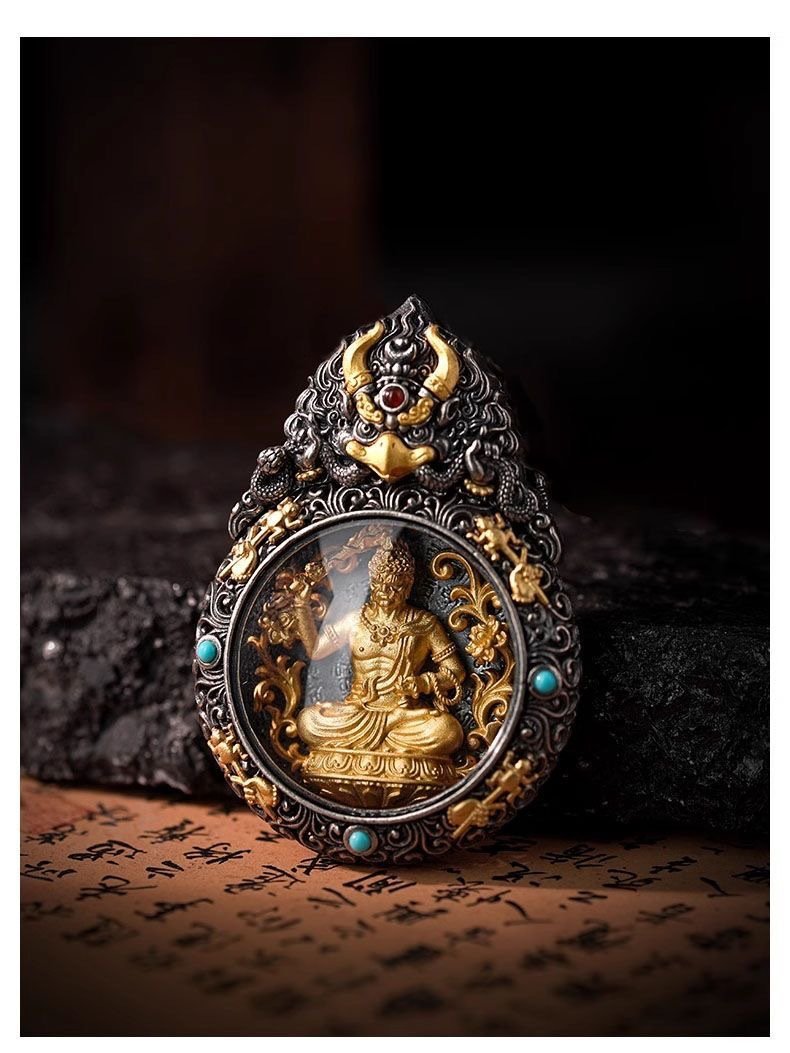
Tibetan Buddhist bracelets are known for their bold and distinctive designs. They often use a combination of materials such as turquoise, coral, and silver, along with traditional Tibetan knots. The colors used in Tibetan bracelets are vibrant and symbolic, with each color representing different aspects of the Buddhist teachings. For example, turquoise is associated with the sky and is believed to bring good luck and protection, while coral is linked to compassion.
Southeast Asian Buddhist Bracelets
In Southeast Asian countries like Thailand, Myanmar, and Cambodia, Buddhist bracelets may have a more natural and earthy feel. They often use local materials such as wood, shell, and seeds. The designs may be influenced by the tropical environment and the unique cultural traditions of each country. Some Southeast Asian Buddhist bracelets may feature small amulets or charms, which are believed to have protective powers.
How to Choose a Buddhist Bracelet According to Your Spiritual Goals
If Seeking Compassion
If your spiritual goal is to cultivate compassion, a bracelet made of materials associated with this quality may be suitable. For example, a bodhi seed bracelet can be a good choice, as the Bodhi tree is closely linked to the Buddha’s enlightenment, which was achieved through great compassion for all beings. Additionally, bracelets with heart – shaped beads or those made from materials like rose quartz (which is associated with love and compassion in some cultures) can also be meaningful.
For the Pursuit of Wisdom
Those on a quest for wisdom might consider a bracelet made of agarwood or amethyst. Agarwood is believed to enhance spiritual wisdom, while amethyst has long been associated with clarity of mind and the ability to gain deeper insights. A bracelet with faceted beads can also symbolize the many – faceted nature of wisdom, encouraging the wearer to explore different aspects of knowledge.
In Search of Protection
If you’re looking for protection, bracelets made of materials like jade or those featuring symbols such as the swastika (卍) can be appropriate. Jade is thought to offer protection against negative energy, and the swastika, in the context of Buddhism, is a symbol of good luck and protection. Additionally, bracelets with small amulets or charms, especially those with spiritual inscriptions, can be seen as providing an extra layer of protection.
Budget – Friendly Options for Beginners
Inexpensive Wood Beads
Wood beads, such as those made from common types of hardwood, can be an affordable option for beginners. These beads can be found in a variety of shapes and sizes, and they can be easily strung together to make a simple Buddhist bracelet. While they may not have the same rarity or high – end reputation as sandalwood or agarwood, they still carry the essence of the natural world and can be a great starting point for exploring Buddhist jewelry.
Plastic or Glass Beads
Plastic or glass beads can also be used to create budget – friendly Buddhist bracelets. They come in a wide range of colors and shapes, allowing for creative and personalized designs. Some plastic or glass beads may be designed to mimic the look of more expensive materials, such as jade or gemstones. While they may not have the same spiritual connotations as natural materials, they can still serve as a visual reminder of one’s spiritual interests.
DIY Bracelets from Found Materials
For those on a tight budget, creating a DIY Buddhist bracelet from found materials can be a fun and meaningful option. You can collect seeds, small stones, or shells from your surroundings and use them to make a unique bracelet. Adding a simple knot or a piece of string can transform these natural elements into a wearable spiritual accessory. This not only saves money but also adds a personal touch to the bracelet.
Quality Considerations When Selecting a Buddhist Bracelet
Bead Quality
When choosing a Buddhist bracelet, the quality of the beads is crucial. Look for beads that are well – formed, without cracks, chips, or uneven surfaces. If the beads are made of stone or gemstone, check for clarity and color consistency. For wood beads, ensure that the wood is of good quality, free from rot or insect damage. High – quality beads will not only look better but also last longer.
String Quality
The string used to hold the beads together is also important. It should be strong and durable, able to withstand regular use. Nylon, silk, or cotton cords are common choices. Avoid using strings that are too thin or frayed, as they may break easily. Some bracelets may use metal chains or wires, in which case, make sure the metal is of good quality and does not cause skin irritation.
Craftsmanship
Examine the overall craftsmanship of the bracelet. The knots should be tight and secure, and the beads should be evenly spaced. If the bracelet has any decorative elements, such as carvings or inlays, they should be well – done and not look rough or unfinished. A well – crafted bracelet is not only more aesthetically pleasing but also more likely to maintain its integrity over time.
Buying from Reputable Sources
Identifying Reputable Sellers
When purchasing a Buddhist bracelet, it’s important to buy from a reputable source. Look for sellers who have a good reputation in the market, whether they are online stores or physical shops. Check customer reviews and ratings to get an idea of the quality of their products and their customer service. Reputable sellers are more likely to provide accurate information about the materials used, the origin of the bracelet, and any relevant spiritual significance.
Avoiding Counterfeits
The market for Buddhist bracelets can be flooded with counterfeits, especially when it comes to rare and expensive materials like agarwood or high – quality jade. To avoid buying a fake, educate yourself about the characteristics of genuine materials. Look for certifications or authenticity guarantees from the seller. If a price seems too good to be true, it probably is. Be cautious when buying from unknown or untrusted sources.
Supporting Ethical and Sustainable Practices
In addition to ensuring the quality and authenticity of the bracelet, consider supporting sellers who follow ethical and sustainable practices. This may include using materials that are sourced responsibly, treating their workers fairly, and minimizing their environmental impact. By choosing to buy from such sellers, you can contribute to the preservation of both the spiritual and natural world.
Thoughts on DIY Buddhist Bracelets
The Process of Making a DIY Buddhist Bracelet
Making a DIY Buddhist bracelet can be a deeply rewarding experience. First, decide on the materials you want to use. You can choose from a variety of beads, strings, and decorative elements. Then, measure the length of the bracelet according
to your wrist size. String the beads onto the chosen string, using knots to secure them in place. You can experiment with different knotting techniques to add a personal touch. If you want, you can also incorporate symbols or charms that hold special meaning to you.
Benefits of DIY
- Personal Connection: When you create a DIY Buddhist bracelet, you infuse it with your own energy and intention. Every bead you choose, every knot you tie, becomes a part of your spiritual journey. This personal connection can make the bracelet more meaningful and powerful to you.
- Customization: DIY allows for complete customization. You can select beads based on their color, shape, material, and meaning to create a bracelet that perfectly reflects your spiritual goals and aesthetic preferences. For example, if you’re drawn to the calming properties of blue, you can choose blue – colored beads like lapis lazuli or turquoise.
- Cost – Effective: As mentioned earlier, making your own bracelet can be cost – effective. You can source materials in bulk or use items you already have at home, saving money while still creating a beautiful and meaningful piece of jewelry.
Challenges and How to Overcome Them
- Skill Level: Some knotting techniques or bead – stringing methods may require a certain level of skill. However, there are many online tutorials, videos, and books available that can guide you through the process. Start with simple designs and gradually work your way up to more complex ones as you gain confidence.
- Finding the Right Materials: Locating the right materials might be a challenge, especially if you’re looking for specific types of beads or high – quality strings. You can visit local craft stores, bead shops, or search online marketplaces. You can also consider using natural materials found in your environment, such as seeds or small pebbles, which adds a unique and earthy touch.
Styling Your Buddhist Bracelet in Everyday Life
Casual Settings
In casual settings, a Buddhist bracelet can add a touch of spirituality to your outfit. Pair a simple sandalwood or bodhi seed bracelet with a pair of jeans and a plain white t – shirt. The bracelet can be worn alone for a minimalist look or stacked with other simple bracelets, like a leather cord or a beaded friendship bracelet. This creates a laid – back yet stylish ensemble that showcases your spiritual side.
Formal Occasions
For formal occasions, a more elaborate Buddhist bracelet can make a statement. A jade bracelet with intricate carvings or a gold – plated bracelet with gemstone – encrusted beads can be paired with an evening gown or a suit. The elegance of the bracelet can enhance the overall look, and its spiritual significance can serve as a conversation starter.
Cultural and Religious Events
At cultural or religious events, wearing a Buddhist bracelet that is appropriate to the occasion is a sign of respect. A traditional mala – style bracelet made of high – quality beads can be worn during Buddhist ceremonies. The bracelet not only shows your participation in the event but also serves as a tool for meditation and prayer.
Caring for Your Buddhist Bracelet
Cleaning
The cleaning method for your Buddhist bracelet depends on the materials it’s made of. For wood – beaded bracelets, gently wipe them with a soft, dry cloth to remove dust. Avoid using water or cleaning agents, as they can damage the wood. Stone – beaded bracelets can be cleaned with a mild soap and water solution. Use a soft brush to gently clean the beads, then rinse thoroughly and dry with a soft cloth. If the bracelet has metal components, be careful not to use abrasive cleaners that can scratch the metal.
Storage
Store your Buddhist bracelet in a cool, dry place. Avoid exposing it to direct sunlight, as this can fade the colors of the beads or damage certain materials. If the bracelet has gemstones, store it separately from other jewelry to prevent scratching. You can use a jewelry box, a soft pouch, or a small cloth bag to keep the bracelet safe.
Avoiding Damage
Be careful when wearing your Buddhist bracelet to avoid knocking it against hard surfaces, as this can cause the beads to crack or the string to break. Remove the bracelet before engaging in activities that may put stress on it, such as heavy manual labor or sports. Also, be aware of chemicals like perfumes, lotions, and hairsprays, as they can react with the materials of the bracelet and cause damage over time.
Conclusion
Choosing the right Buddhist bracelet as a beginner is a multi – faceted process that involves understanding the significance, size, materials, and quality of the bracelet. Whether you opt for a ready – made bracelet from a reputable source or create your own DIY masterpiece, the most important thing is the connection you feel with the piece. A Buddhist bracelet is not just an accessory; it’s a companion on your spiritual journey, a reminder of the teachings of Buddhism, and a symbol of your personal growth. By taking the time to select the perfect bracelet and caring for it properly, you can enjoy its beauty and spiritual benefits for years to come.
FAQs
Q1: Can non – Buddhists wear Buddhist bracelets?
Yes, non – Buddhists can wear Buddhist bracelets. The bracelets are not exclusive to Buddhists. Many people are drawn to their aesthetic appeal and the positive meanings associated with them. However, it’s important to approach the symbols and the spiritual significance with respect and an open – minded attitude.
Q2: How many beads should a Buddhist bracelet have?
There is no fixed number of beads for a Buddhist bracelet. In traditional malas (prayer beads), which are a type of Buddhist bracelet, the most common number of beads is 108, as it is believed to represent the 108 defilements that one must overcome to achieve enlightenment. However, modern Buddhist bracelets can have any number of beads, depending on the design and the intention of the maker or wearer.
Q3: Do I need to follow any specific rituals when wearing a Buddhist bracelet?
There are no strict rituals that you must follow when wearing a Buddhist bracelet. However, some people choose to wear it as a reminder of their spiritual practice and may use it during meditation or while reciting mantras. It’s a personal choice, and you can wear the bracelet in a way that feels most meaningful to you.
Q4: Can I wear multiple Buddhist bracelets at the same time?
Yes, you can wear multiple Buddhist bracelets at the same time. Stacking bracelets can create a unique and stylish look. You can mix and match different types of bracelets based on their materials, colors, and designs. Just make sure that the bracelets are comfortable to wear together and do not cause any discomfort or damage to each other.
Q5: How do I know if a DIY Buddhist bracelet is of good quality?
For a DIY Buddhist bracelet, ensure that the beads are well – made, without cracks or chips. The string should be strong and securely knotted. If you’re using any additional elements like clasps or charms, they should be durable. Also, consider the overall symmetry and balance of the design. A well – made DIY bracelet will not only look good but also last longer.
Buddha jewelry:Eighteen-Seed Bracelet: Multi-Treasure Bodhi Buddhist Bead Bracelet
$42.80Original price was: $42.80.$34.30Current price is: $34.30. Select options This product has multiple variants. The options may be chosen on the product pageBuddha jewelry:Old Material Peach Wood Bracelet: Zodiac Animal Buddha of Birth Year, Single-Circle Buddhist Beads, Wenwan Fingertip Twirling Hand-Held Prayer Beads
$49.80Original price was: $49.80.$43.20Current price is: $43.20. Select options This product has multiple variants. The options may be chosen on the product pageBuddha jewelry:Buddha amulet natural crystal bracelet, multi-layer blue-veined agate Buddha head elephant bracelet
$80.57Original price was: $80.57.$64.46Current price is: $64.46. Select options This product has multiple variants. The options may be chosen on the product pageBuddha jewelry:Flying Snake Transforms into Dragon Red String Bracelet, Zodiac Year Woven Bracelet, Year of the Snake Bracelet
$42.43Original price was: $42.43.$33.94Current price is: $33.94. Select options This product has multiple variants. The options may be chosen on the product page