
Introduction: The Allure of Aged - Material Buddhist Bracelets
Table of Contents
- Introduction: The Allure of Aged – Material Buddhist Bracelets
- Understanding Aged – Material Buddhist Bracelets
- Cultural Significance Embodied in Aged – Material Buddhist Bracelets
- Spiritual Connotations of Aged – Material Buddhist Bracelets
- Factors Contributing to the Collection Value of Aged – Material Buddhist Bracelets
- Types of Aged – Material Buddhist Bracelets and Their Unique Values
- Authenticity and Identification of Aged – Material Buddhist Bracelets
- The Market for Aged – Material Buddhist Bracelets
- Caring for Aged – Material Buddhist Bracelets in Collection
- Investment Potential of Aged – Material Buddhist Bracelets
- Displaying and Sharing Aged – Material Buddhist Bracelets
- Conclusion
- FAQs
In the world of Buddhist artifacts and jewelry, aged – material Buddhist bracelets, often called “老料佛教手串” in Chinese, are special. These bracelets are not just accessories. They hold history, culture, and spirituality. Time has given them a unique look and an air of mystery. So, collectors, spiritual enthusiasts, and those who appreciate cultural heritage highly seek them.
As we explore the collection value of these bracelets, we’ll find the hidden meanings and significance. From the cultural traditions they represent to the spiritual energy they’re thought to have, aged – material Buddhist bracelets offer a fascinating look at the connection between the past and the present.
Understanding Aged – Material Buddhist Bracelets
Aged – material Buddhist bracelets are usually made from materials that have aged over time. This can be wood like sandalwood or agarwood. Such wood has been stored or used in religious settings for years or even decades. Stones like jade or amber, which have a long history in Buddhist practices, can also be used. The aging can happen naturally, due to exposure to the elements, or through careful preservation in certain environments.
The aging process changes the material physically. Wood may get a deeper color, a stronger aroma, and a smoother texture. Stones may develop a unique luster or patina. These changes make the bracelet more beautiful and are also seen as signs of the spiritual energy it has absorbed over time.
Cultural Significance Embodied in Aged – Material Buddhist Bracelets
Tracing Historical Roots
Aged – material Buddhist bracelets are like living artifacts that show the historical development of Buddhism. For example, in places like India, China, and Tibet, where Buddhism has a long history, the materials in these bracelets have been part of religious and cultural practices for centuries. A sandalwood bracelet made from wood passed down through generations in a Buddhist temple can link us to the temple’s past rituals and traditions.
Cultural Exchange and Heritage
These bracelets also symbolize cultural exchange. As Buddhism spread, the materials and techniques for making bracelets were influenced by local cultures. An aged jade bracelet from China might have Chinese – style carvings while still following Buddhist symbolism. Exchanging these bracelets between cultures has helped preserve and spread Buddhist heritage.
Representation of Community and Tradition
In many Buddhist communities, aged – material Buddhist bracelets represent and uphold traditions. They’re used in religious ceremonies, passed from elders to the young, and worn to show belonging to the community. A bracelet used in annual temple festivals for years symbolizes the community’s shared beliefs and values.
Spiritual Connotations of Aged – Material Buddhist Bracelets
Absorption of Spiritual Energy
One important belief about aged – material Buddhist bracelets is that they can absorb spiritual energy. People think that over time, as these bracelets are used in meditation, prayer, and other religious activities, they soak up the positive energy from these practices. The longer the material has been used, the stronger this spiritual energy is believed to be. Wearing such a bracelet is seen as a way to connect with and benefit from this energy.
Connection to the Divine
Aged – material Buddhist bracelets are seen as a way to get closer to the divine. In Buddhism, wearing a bracelet made from an aged, spiritually charged material is a form of devotion. It’s believed the bracelet can act as a link, helping communication between the wearer and the spiritual world. This connection is thought to bring peace, protection, and spiritual guidance.
Aid in Spiritual Practice
For Buddhists, these bracelets can help in their spiritual practice. The aged materials, with their unique textures and scents (like wood), can create a better environment for meditation. Handling the bracelet, feeling its aged surface, and counting the beads can improve concentration and make the meditation deeper.
Factors Contributing to the Collection Value of Aged – Material Buddhist Bracelets
Rarity of the Material
The rarity of the material in the bracelet greatly affects its collection value. For example, aged agarwood is very rare because it takes a long and complex process to form. A bracelet made from high – quality, aged agarwood is likely to be valuable due to the material’s scarcity. Similarly, some types of jade or amber that are hard to find in their original form can increase the bracelet’s value.
Historical Provenance
The historical background of an aged – material Buddhist bracelet is also important. If a bracelet can be traced to a specific time, a well – known temple, or a respected spiritual figure, its value goes up a lot. For instance, a bracelet once owned by a famous Buddhist master or used in a big religious event will be more valuable because of its historical and spiritual connections.
Condition of the Bracelet
The bracelet’s condition is key to its collection value. Even though it’s aged, a well – preserved bracelet with intact beads, a good string, and clear carvings or decorations will be more valuable. Too much wear, damage, or bad restoration can lower the value.
Artistic and Craftsmanship Merits
The artistic and craftsmanship aspects add to the bracelet’s value. Intricate carvings on wood or stone beads, fine knotting, and the overall design can make it more valuable. A bracelet with great craftsmanship, whether in the traditional style of a region or a unique modern design, will appeal more to collectors.
Types of Aged – Material Buddhist Bracelets and Their Unique Values
Aged Sandalwood Bracelets
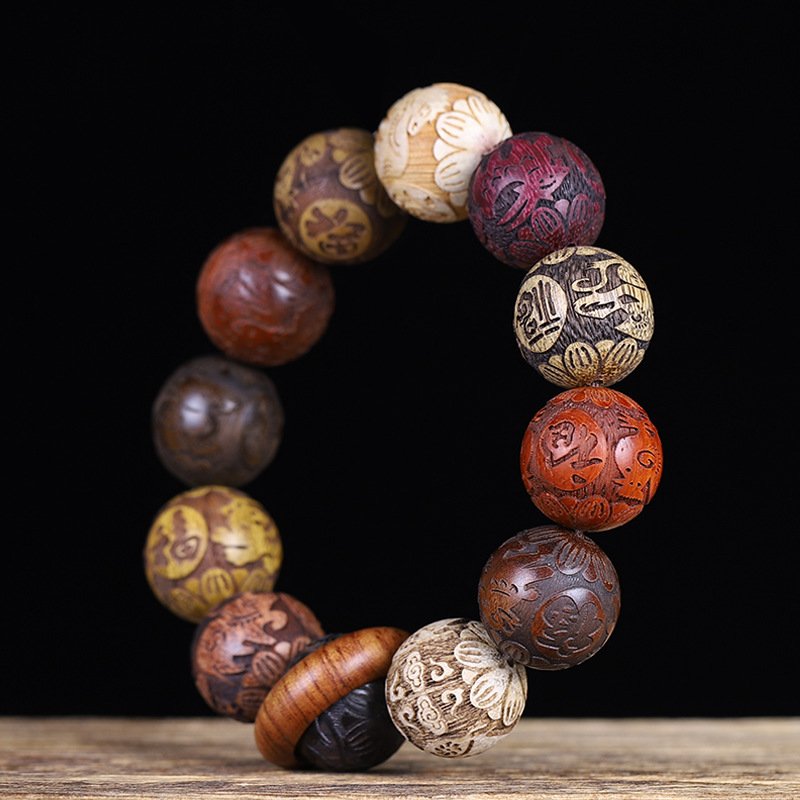
Aged sandalwood bracelets are highly valued. Aging makes the sandalwood’s sweet, calming aroma stronger. The sandalwood, already linked to purity and tranquility in Buddhism, may also darken in color, adding to its beauty. Sandalwood aged in a temple is thought to have absorbed the spiritual energy from prayers and meditations there, making it especially valuable.
Aged Jade Bracelets
Aged jade bracelets are special in Chinese Buddhist culture. Jade means longevity, good fortune, and purity. Over time, jade gets a unique patina called “jade bloom,” which collectors like. An aged jade bracelet with detailed carvings, like lotus flowers or Buddhist symbols, shows both the jade’s beauty and the craftsman’s skill. The historical and cultural importance of jade in Chinese Buddhism makes these bracelets more valuable.
Aged Amber Bracelets
Aged amber bracelets are unique because amber is fossilized resin. It often has ancient plants or insects inside, adding to its scientific and aesthetic value. In Buddhism, amber is linked to a clear mind and spiritual enlightenment. An aged amber bracelet may have a deeper color, and the inclusions can seem like windows to the past. This makes it interesting for collectors interested in both spiritual and historical aspects.
Authenticity and Identification of Aged – Material Buddhist Bracelets
Material – Specific Identification
To tell if an aged – material Buddhist bracelet is real, start by knowing the material’s characteristics. For aged wood like sandalwood or agarwood, the aroma, color, and texture can give clues. Real aged sandalwood has a rich, long – lasting aroma, and its color matches the aging process. For stones like jade, factors like hardness, color distribution, and natural flaws can help. Amber can be tested, like by seeing if it floats in a salt – water solution and checking the inclusions for signs of authenticity.
Historical and Provenance Research
Researching the historical and background details is crucial. This may mean studying the bracelet’s style, the knots used, and any markings or inscriptions. If possible, finding out where the bracelet came from, like a certain temple, region, or time period, can prove its authenticity. Asking experts in Buddhist art, history, or gemology can also help.
Authentication by Experts
Sometimes, it’s necessary to get an expert’s opinion. There are professionals who specialize in checking Buddhist artifacts, including aged – material bracelets. They may use advanced methods like spectroscopy to analyze the material’s chemical makeup or microscopic examination to study carvings and the material’s condition. A certificate of authenticity from a respected expert can add a lot of value to the bracelet.
The Market for Aged – Material Buddhist Bracelets
Global Demand
The market for aged – material Buddhist bracelets has seen growing global demand recently. With more interest in Buddhism, spiritual practices, and cultural heritage, collectors worldwide are interested in these items. Asian markets, especially in countries with a strong Buddhist heritage like China, Japan, and Thailand, have long appreciated these bracelets. But Western collectors are also getting involved, attracted by their cultural, spiritual, and aesthetic appeal.
Auction and Dealer Markets
Aged – material Buddhist bracelets can be found in auction houses and through specialized dealers. Auction houses often have high – end, rare bracelets that attract serious collectors and investors. These auctions can raise the prices of popular pieces. Dealers, on the other hand, may offer a wider range of bracelets, from affordable ones for beginners to rare and valuable items. They can also give collectors expert advice to help them make good buying decisions.
Market Trends and Fluctuations
The market for these bracelets has trends and changes. Consumer preferences, economic conditions, and new historical discoveries can all affect the market. For example, if there’s more interest in a certain material or historical period, the prices of related bracelets can go up. Economic downturns may reduce high – end purchases, while new markets can create growth opportunities.
Caring for Aged – Material Buddhist Bracelets in Collection
Storage Conditions
Proper storage is important for keeping aged – material Buddhist bracelets in good condition. Store them in a cool, dry place, away from direct sunlight. Sunlight can fade the materials, especially wood and some stones. High humidity can make wood warp or stones get moldy. Use a jewelry box with soft compartments or a cloth pouch to protect the bracelet from scratches and dust.
Cleaning and Maintenance
Cleaning these bracelets needs to be done carefully. For wood bracelets, use a soft, dry cloth to gently wipe off dust. Don’t use water or chemical cleaners as they can damage the wood. Stone bracelets can be cleaned with a mild soap – and – water solution, but be careful not to scrub hard, especially if there are carvings. Metal parts, if any, should be cleaned with a metal – specific cleaner to avoid tarnishing.
Avoiding Damage
Handle aged – material Buddhist bracelets gently. Don’t knock them against hard surfaces as this can break beads or the string. If the bracelet has delicate carvings or inlays, be extra careful. When not wearing it, store it separately from other jewelry to prevent scratching.
Investment Potential of Aged – Material Buddhist Bracelets
Long – Term Appreciation
Aged – material Buddhist bracelets may increase in value over time. As the materials get rarer and their historical and cultural importance is more recognized, the value of these bracelets is likely to go up. For example, a well – preserved, rare – material bracelet bought at a good price today may be worth much more in the future, especially if it has a documented history.
Diversification of Investment Portfolio
Including these bracelets in an investment portfolio can provide diversification. Unlike stocks or bonds, their value isn’t directly related to the financial markets. They can act as a safeguard against economic uncertainties because their value is based on cultural, historical, and spiritual significance, which is more stable.
Risks Associated with Investment
However, investing in aged – material Buddhist bracelets has risks. Authenticity is a big concern. Buying a fake or misrepresented bracelet can cause a big investment loss. The market for these bracelets can also be unstable, with prices changing suddenly. Also, consider the cost of authentication, storage, and maintenance when making an investment decision.
Displaying and Sharing Aged – Material Buddhist Bracelets
Exhibition and Display
Aged – material Buddhist bracelets can be shown in different places. Private collectors may display their collections in a special room or a showcase at home to enjoy the bracelets’ beauty and significance. Museums and cultural institutions may also exhibit these bracelets as part of their collections, letting the public learn about Buddhist culture and history.
Sharing with the Community
Sharing these bracelets with the community can be rewarding. This can be done through cultural events, workshops, or online platforms. By sharing the stories and meanings of these bracelets, collectors can help others understand and appreciate Buddhism and its heritage. It can also create a community among those interested in these unique items.
Conclusion
Aged – material Buddhist bracelets combine culture, spirituality, and art. Their collection value comes from factors like cultural significance, spiritual meaning, rarity, and historical background. Whether you’re a collector, an investor, or someone interested in Buddhism, these bracelets offer a unique view into ancient traditions and beliefs. By knowing how to choose, care for, and appreciate these bracelets, we can preserve their value and help spread Buddhist culture.
FAQs
Q1: How can I tell if an aged – material Buddhist bracelet is a good investment?
A: Look for bracelets made of rare materials with a clear historical background. Make sure the bracelet is in good condition and has been checked by experts. Research market trends, but also think about the long – term cultural and spiritual importance of the piece. These factors often help the value grow over time.
Q2: Are aged – material Buddhist bracelets only for collectors?
A: No. While collectors like them, they can also be worn and used by people for spiritual reasons. Their spiritual meaning makes them valuable to Buddhists, and their beauty makes them appealing to those who like meaningful jewelry.
Q3: Can I wear an aged – material Buddhist bracelet every day?
A: You can, but daily wear may cause more wear and tear. If you do, be careful not to expose it to harsh conditions, chemicals, or physical damage. Regular cleaning and proper storage when not wearing can help keep it in good condition.
Q4: What should I do if I think my aged – material Buddhist bracelet is fake?
A: First, ask an expert in Buddhist artifacts or gemology. They can use special methods to check authenticity. If it’s fake and you bought it from a dealer, you may consider legal action if possible. Use this as a learning experience to be more careful when buying in the future.
Q5: How do I find a reliable dealer or auction house for aged – material Buddhist bracelets?
A: Look for dealers or auction houses with a good reputation in Asian art, Buddhist artifacts, or jewelry. Read reviews from other collectors and check if they’re in professional associations. Reliable dealers will give detailed information about the bracelets, including authenticity certificates if available. Auction houses should have a clear and regulated bidding process.
Q6.WHY SHOP WITH US?
- Authentic, high-quality Dharma items and inspiring collection;
- Professional customer service, via e-mail and Facebook;
- Fast shipping;
- Safe and secure order processing;
- PayPal and credit card verified company;
- Rewarding customer loyalty programs.
CLICK & FIND US:
- Email: contact@buddhistjewelrystore.com
- Facebook: @buddhajewelrystore