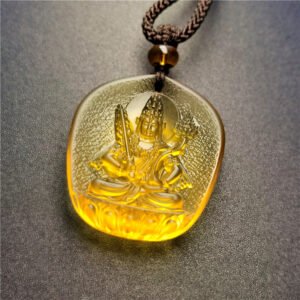
- Introduction to Buddhist Necklaces
- Cultural and Religious Significance of Buddhist Necklaces
- General Wearing Taboos
- Avoiding Disrespectful Behavior while Wearing
- Proper Placement and Handling
- Taboos Related to Different Buddhist Symbols on Necklaces
- The Buddha Image
- The Dharma Wheel
- The Lotus Flower
- Other Symbolic Elements
- Taboos Based on Material of the Buddhist Necklace
- Wood – Made Necklaces
- Stone and Gemstone Necklaces
- Metal – Made Necklaces
- Seed and Bead Necklaces
- Taboos in Different Settings and Occasions
- Wearing in Religious Sites
- Wearing in Daily Life
- Wearing during Special Occasions
- Taboos Regarding Hygiene and Maintenance
- Keeping the Necklace Clean
- Avoiding Contact with Impure Substances
- Taboos Concerning the Purchase and Gift – Giving of Buddhist Necklaces
- Buying with Respectful Intentions
- Gift – Giving Etiquette
- Taboos for Non – Buddhists Wearing Buddhist Necklaces
- Consequences of Disregarding the Taboos (Perception in Buddhist Culture)
- Conclusion
- FAQs
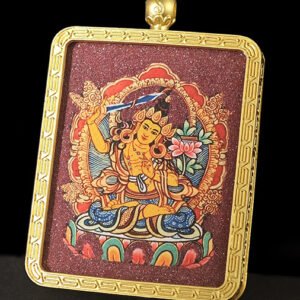
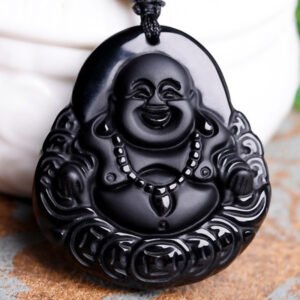
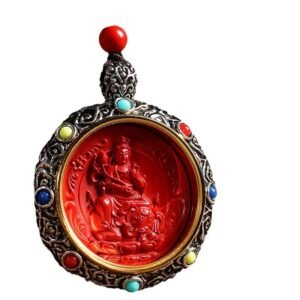
Buddhist necklaces are more than just pieces of jewelry. They are spiritual artifacts deeply rooted in Buddhist culture and philosophy. These necklaces often feature various Buddhist symbols, such as images of the Buddha, the Dharma wheel, the lotus flower, and other elements inspired by Buddhist teachings. They are worn by Buddhists as a sign of their faith, a reminder of the Buddha’s teachings, and as a means to connect with the spiritual realm. Non – Buddhists may also be drawn to these necklaces for their aesthetic beauty and the positive energy they are believed to carry. However, it’s crucial to understand the wearing taboos associated with them to show respect for the culture and religion.
For Buddhists, wearing a Buddhist necklace is a way to establish a spiritual connection with the Buddha and the Dharma (the teachings of the Buddha). The necklace serves as a tangible reminder of the path to enlightenment, compassion, and mindfulness. It can help the wearer stay focused on their spiritual practice and maintain a sense of inner peace and balance.
Each element on a
Buddhist necklace carries specific symbolic meaning. The Buddha image represents the enlightenment, wisdom, and compassion of the Buddha. The Dharma wheel symbolizes the turning of the wheel of Dharma, which represents the spread of the Buddha’s teachings. The lotus flower is a symbol of purity, rising above the worldly impurities, and the stages of spiritual growth. These symbols are not just decorative but are integral to the religious and cultural fabric of Buddhism.
When wearing a Buddhist necklace, it is essential to avoid any form of disrespectful behavior. This includes refraining from using foul language, engaging in immoral or unethical activities, or showing a lack of reverence in general. The necklace should be treated with the same respect as any other religious artifact. For example, one should not wear the necklace while participating in activities that are contrary to Buddhist values, such as excessive drinking, gambling, or engaging in violent behavior.
The Buddhist necklace should be placed and handled with care. It should not be thrown around, stepped on, or placed in inappropriate locations. When taking off the necklace, it should be placed in a clean, respectful place, such as on a clean cloth or a special stand. Avoid placing it on the floor or in a dirty or cluttered area. When wearing the necklace, it should be positioned in a way that is visible and not hidden under clothing in a disrespectful manner. However, in some cultures, it may be acceptable to tuck the necklace inside the shirt in certain situations to protect it.

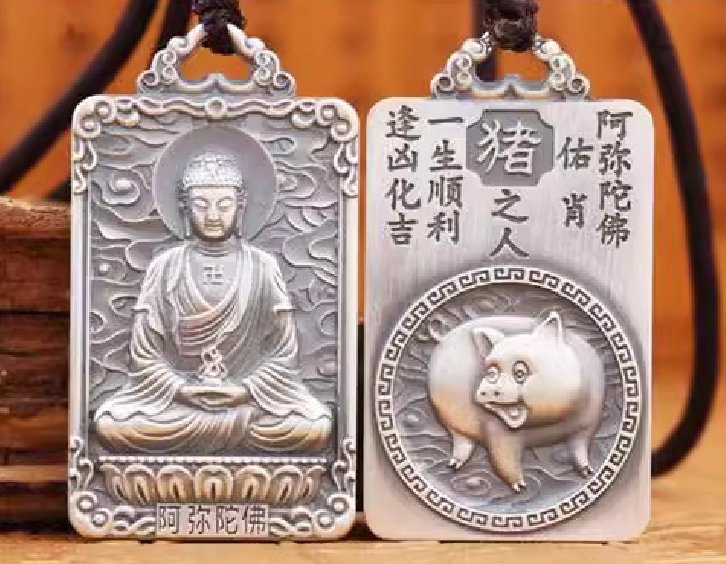
If the Buddhist necklace features an image of the Buddha, extra care and respect are required. The Buddha image should never be placed below the waist. This is because the lower part of the body is considered less pure in many cultures, and placing the Buddha image in such a position is seen as highly disrespectful. When sitting or lying down, make sure the Buddha image is not in a position where it could be accidentally crushed or touched by the feet. Also, avoid wearing the Buddha – image necklace in the bathroom or other places considered unclean.
The Dharma wheel, as a symbol of the Buddha’s teachings, should be treated with reverence. Do not distort or damage the shape of the Dharma wheel on the necklace. Avoid using the necklace in any way that could imply a mockery or misrepresentation of the teachings it represents. For example, do not use the Dharma – wheel – adorned necklace as a prop in a disrespectful or comical performance.
The lotus flower, representing purity and spiritual growth, should be kept clean and intact. If the lotus flower on the necklace is made of delicate materials like porcelain or glass, take extra care to prevent it from breaking. Avoid exposing the lotus – flower – themed necklace to substances that could stain or damage it, as it symbolizes the purity of the spiritual path.
Other symbolic elements on the Buddhist necklace, such as the swastika (in its Buddhist context, which represents the Buddha’s footsteps and the path to enlightenment), should also be respected. Do not misinterpret or misuse these symbols. The swastika, for instance, has been misappropriated by some non – Buddhist groups with negative connotations, but in the Buddhist context, it is a sacred symbol. Ensure that the necklace is not used in a way that could cause confusion or disrespect to this important symbol.
Wood – made Buddhist necklaces, especially those made from sacred woods like sandalwood, require special care. Sandalwood is known for its pleasant fragrance and is often used in religious ceremonies. Avoid getting the wood – made necklace wet for extended periods as it can cause the wood to warp, rot, or lose its fragrance. If it does get wet, dry it immediately with a soft, dry cloth and store it in a dry place. Also, do not expose it to direct sunlight for long, as this can fade the color and dry out the wood.
Stone and gemstone necklaces, such as those made of jade, agate, or turquoise, should be protected from hard impacts. Jade, for example, is a relatively brittle stone, and a hard knock can cause it to crack. Avoid wearing these necklaces during activities where they are likely to be hit against hard surfaces. Some gemstones may also be sensitive to chemicals. For instance, turquoise can be damaged by contact with perfumes, lotions, and certain cleaning agents. Keep the stone and gemstone necklaces away from such substances.
Metal – made Buddhist necklaces, especially those with intricate carvings of Buddhist symbols, need to be maintained properly. If the metal is prone to tarnishing, like silver, clean it regularly with a suitable metal – cleaning cloth. Avoid wearing metal necklaces in situations where they may come into contact with corrosive substances. For example, when swimming in a pool with high chlorine content or in a hot spring with mineral – rich water, it is advisable to remove the metal necklace to prevent damage.
Seed and bead
necklaces, such as those made from bodhi seeds or rudraksha seeds, are porous materials. They can absorb moisture, which may lead to mold growth. Keep these necklaces dry at all times. If they get wet, dry them thoroughly in a well – ventilated area. Also, avoid using harsh chemicals or abrasive cleaners on them, as this can damage the surface of the seeds or beads.
When wearing a
Buddhist necklace in a temple or other religious sites, follow the specific rules and customs of the place. In some temples, there may be specific areas where wearing a necklace is not allowed, or there may be a proper way to enter and move around while wearing the necklace. Remove your shoes before entering a temple if required, and keep a respectful distance from the main shrines. Do not touch or lean on religious statues or objects while wearing the necklace.
In daily life, while wearing a Buddhist necklace, be mindful of your actions and behavior. Avoid wearing the necklace in places that are considered inappropriate, such as bars or places with a lot of negative energy. However, this does not mean that you cannot wear it in normal social settings. Just ensure that you are maintaining a sense of respect for the necklace and the religious significance it holds.
During special occasions, such as Buddhist festivals or ceremonies, the way you wear the Buddhist necklace may have specific significance. For example, in some festivals, the necklace may be worn with a particular type of traditional clothing, and there may be a proper way to display the symbols on the necklace. Follow the guidance of local religious authorities or experienced practitioners to ensure that you are wearing the necklace correctly during these occasions.
A clean
Buddhist necklace is a sign of respect. Regularly clean the necklace according to the material. Use a soft, dry cloth to wipe off dust from most necklaces. For more stubborn dirt on stone or metal necklaces, a mild soap solution can be used, followed by thorough rinsing and drying. However, be careful not to use excessive force or harsh cleaners that could damage the necklace.
Keep the Buddhist necklace away from substances that are considered impure in Buddhist culture. This includes blood, meat, and certain strong – smelling substances. In some interpretations, these substances can defile the spiritual energy of the necklace. Also, avoid wearing the necklace while handling these substances.
When purchasing a
Buddhist necklace, do so with respectful and sincere intentions. Do not buy it as a mere fashion accessory without understanding its religious significance. Research about the symbols and the meaning behind the necklace before making a purchase. Avoid buying from sources that may be disrespectful to the culture, such as those that mass – produce cheap, poorly – made necklaces with misrepresented Buddhist symbols.
When giving a Buddhist necklace as a gift, it is important to ensure that the recipient understands the significance and the wearing taboos. Explain to them the meaning of the symbols on the necklace and the proper way to wear and care for it. The gift should be given with respect and the hope that the recipient will also respect the religious and cultural aspects of the necklace.
Non – Buddhists who choose to wear a Buddhist necklace should also abide by the wearing taboos. Although they may not be part of the Buddhist faith, wearing the necklace is a way of showing respect for the culture. They should educate themselves about the religious significance of the symbols and the proper way to wear and handle the necklace. Non – Buddhists should not use the necklace in a way that could be seen as mocking or misusing the religious beliefs of Buddhists.
In Buddhist culture, disregarding the wearing taboos of a
Buddhist necklace is seen as disrespectful to the Buddha, the Dharma, and the Sangha (the community of Buddhist practitioners). It can be considered an act that disrupts the spiritual energy associated with the necklace. While there are no specific “punishments” in a superstitious sense, it is believed that such disrespect can lead to a disconnection from the positive spiritual influence that the necklace is intended to carry. It may also cause discomfort or offense to devout Buddhists who witness such disrespectful behavior.
Understanding and respecting the wearing taboos of Buddhist necklaces is essential for anyone who chooses to wear them. Whether you are a devout Buddhist or someone who is simply drawn to the beauty and spiritual significance of these necklaces, following these taboos shows respect for the rich Buddhist culture and religion. By doing so, you can not only avoid causing offense but also fully appreciate the positive energy and meaning that these necklaces carry.
Yes, non – Buddhists can wear a Buddhist necklace. However, they should educate themselves about the religious significance and wearing taboos to show respect for the culture.
If you accidentally break a Buddhist necklace, especially one with important symbols, it is advisable to handle the broken pieces with respect. You can take them to a temple or consult a Buddhist authority to find out the proper way to dispose of or repair the necklace.
In general, it is acceptable to wear a Buddhist necklace while sleeping. However, if the necklace is uncomfortable or if you are worried about damaging it while sleeping, you can place it in a clean, respectful place near your bed.
It is best to be cautious and respectful. If you are unsure, it may be advisable to remove the necklace or consult the authorities of the non – Buddhist religious place. Wearing it should not cause any disruption or disrespect to the beliefs and practices of that place.
The frequency of cleaning depends on the material and how often you wear the necklace. If it is worn daily and in a dusty environment, you may need to clean it weekly. However, for some delicate materials, less frequent cleaning may be sufficient.