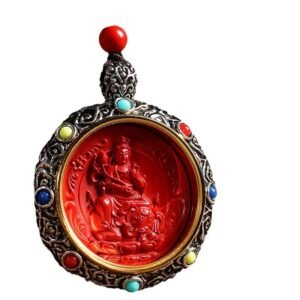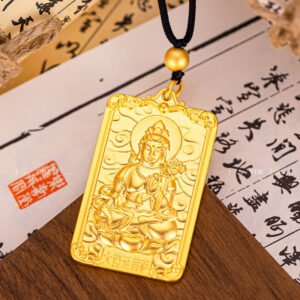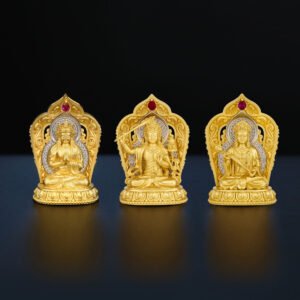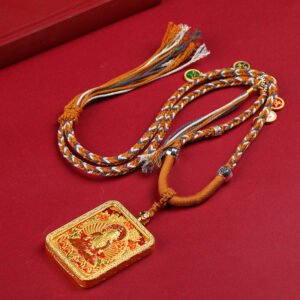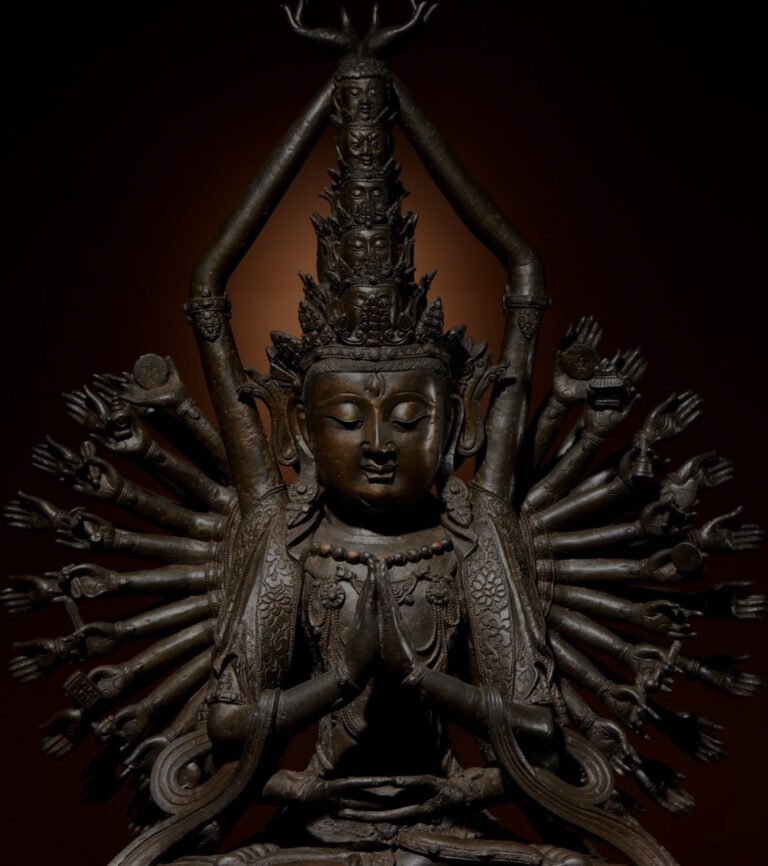
Rat——Thousand hand Bodhisattva buddha

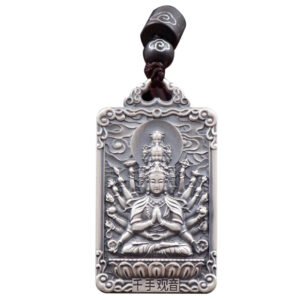
Avalokiteshvara with Thousand Hands and Eyes stands as one of the most venerated Bodhisattvas in Mahayana Buddhism, holding a profound place in Chinese Buddhist culture. Her iconic form, adorned with a thousand hands and eyes, embodies boundless compassion and the divine ability to perceive and respond to the suffering of all sentient beings across the universe.

Avalokiteshvara with Thousand Hands and Eyes stands as one of the most venerated Bodhisattvas in Mahayana Buddhism, holding a profound place in Chinese Buddhist culture. Her iconic form, adorned with a thousand hands and eyes, embodies boundless compassion and the divine ability to perceive and respond to the suffering of all sentient beings across the universe.buddha jewelry stone

Origins and Evolution

The concept of Avalokiteshvara (revered as Guanyin in Chinese) traces back to early Buddhist sutras, where she is portrayed as the Bodhisattva of compassion. The “Thousand Hands and Eyes” manifestation emerged later, rooted in the belief in her sacred vow to alleviate suffering: legend tells that after pledging to save all beings, she recognized the vastness of worldly suffering and prayed for more hands to aid others and more eyes to see those in need. Her prayer was answered, resulting in the divine manifestation of a thousand hands—each clutching a unique sacred instrument or symbol—and a thousand eyes, signifying omniscience.
This form gained widespread adoration in China during the Tang Dynasty (618–907 CE), shaped by both Indian Buddhist artistic traditions and native Chinese cultural aesthetics. Over the centuries, it became a central figure in temples, art, and folk devotion, seamlessly merging spiritual symbolism with artistic expression.

Symbolism of the Thousand Hands and Eyes

Thousand Hands: Far more than physical limbs, each hand represents infinite compassion in action. They hold various sacred objects, such as a lotus (symbolizing purity), a pearl (embodying wisdom), a bow and arrow (signifying the courage to overcome ignorance), and a vase of nectar (representing blessings). Together, they symbolize Avalokiteshvara’s readiness to assist beings in countless ways, regardless of their circumstances.​
Thousand Eyes: Nestled in the palms of each hand, these eyes represent omniscience—Avalokiteshvara’s capacity to see the suffering of all living creatures, no matter how hidden or distant. They embody her attentive care and unwavering responsiveness to every plea for help.

Spiritual Significance

In Chinese Buddhism, Avalokiteshvara with Thousand Hands and Eyes is worshipped as a compassionate savior who “hears the cries of the world” (earning her the name “Guanyin,” meaning “Observing the Sounds of the World”). Her vow—”Not until all beings are saved will I attain Buddhahood”—resonates deeply with believers, who turn to her for guidance, protection, and comfort.
She is closely associated with mercy, empathy, and the alleviation of suffering. Devotees believe that invoking her name or meditating on her image can bring inner peace, resolve hardships, and nurture a compassionate heart within oneself.

Cultural and Artistic Legacy

The image of Thousand-Handed Avalokiteshvara has left an indelible mark on Chinese culture. It is celebrated in sculpture (such as the renowned 7.8-meter-tall gold-plated statue in Chongqing’s Dazu Rock Carvings), painting, literature, and performing arts. The dance “Thousand-Handed Guanyin,” performed by hearing-impaired artists, has become a global symbol of beauty, unity, and spiritual grace, showcasing the Bodhisattva’s message that compassion transcends all barriers.

Connection to the Chinese Zodiac

As the birth guardian Buddha for those born in the Year of the Rat, Thousand-Handed Avalokiteshvara’s association with adaptability and protection aligns perfectly with the traits often attributed to the Rat zodiac sign—agility, resourcefulness, and quick wit. Her thousand hands symbolize the support and guidance needed to navigate life’s challenges, making her a beloved patron for those seeking harmony and resilience.
In essence, Avalokiteshvara with Thousand Hands and Eyes embodies the core Buddhist teaching that compassion is a transformative force—a reminder that kindness, when put into action, has the power to heal, protect, and uplift all beings.

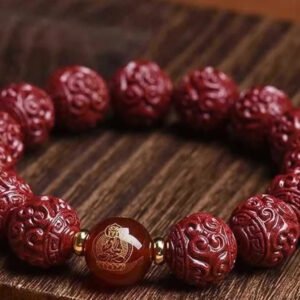
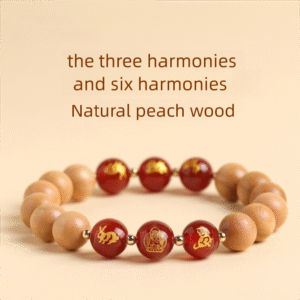
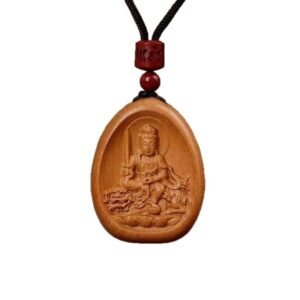
Carry the essence of Thousand-Handed Avalokiteshvara’s compassion with you through our meticulously crafted jewelry collection. Each piece, from delicate pendants featuring her iconic image to intricately designed bracelets inspired by her thousand hands, is created with deep reverence for tradition and meticulous attention to detail. Wearing these ornaments not only serves as a beautiful reminder of her guiding presence but also allows you to keep her spirit of mercy and protection close in your daily life. Explore our selection today to find a meaningful piece that resonates with your heart and connects you to the timeless wisdom of this beloved Bodhisattva.

Shopping Cart
Scroll to Top