
Buddhist Bracelet Manipulation Techniques: From Patina Formation to Maintenance, Endowing Your Bracelet with More Vitality
Table of Contents
- Introduction to Buddhist Bracelets
- Understanding the Concept of “Playing” with Buddhist Bracelets
- Pre – play Preparation
- Initial Steps in Playing with Buddhist Bracelets
- The Process of Developing Patina
- Tips for Accelerating Patina Formation
- Avoiding Common Mistakes during the Playing Process
- Seasonal Considerations in Playing with Buddhist Bracelets
- Maintenance of Buddhist Bracelets
- Cleaning Your Buddhist Bracelet
- Storage of Buddhist Bracelets
- Special Considerations for Different Materials of Buddhist Bracelets
- The Spiritual Significance of Playing and Maintaining Buddhist Bracelets
- Conclusion
- FAQs
1. Introduction to Buddhist Bracelets
Buddhist bracelets, often referred to as prayer beads or malas, hold a significant place in Buddhist culture. They are not only spiritual tools used for counting mantras during meditation but also symbols of devotion and connection to the Buddhist path. These bracelets come in a wide variety of materials, including wood, stone, seeds, and gemstones, each carrying its own unique cultural and spiritual significance. The practice of “playing” with Buddhist bracelets, which involves handling and caring for them over time, not only enhances their physical appearance but also deepens the spiritual bond between the wearer and the bracelet.
2. Understanding the Concept of “Playing” with Buddhist Bracelets
“Playing” with a Buddhist bracelet is a process that goes beyond simple handling. It involves a regular and gentle interaction with the bracelet, which helps to develop a natural patina on the surface of the beads. This patina is a result of the oils from the hands, exposure to air, and the friction created during the handling process. It gives the bracelet a unique, aged look that is highly valued among collectors and practitioners alike. Moreover, the act of playing with the bracelet is also seen as a form of meditation in itself, allowing the wearer to focus the mind, cultivate mindfulness, and deepen their connection to the spiritual significance of the bracelet.
3. Pre – play Preparation
A. Inspection
Before starting to play with a new Buddhist bracelet, it is essential to inspect it carefully. Check for any cracks, chips, or loose beads. If the bracelet is made of wood, look for signs of insect damage or rot. For stone or gemstone bracelets, ensure that there are no hidden flaws. This initial inspection will help you identify any potential issues that could affect the longevity of the bracelet during the playing process.
B. Cleaning (Initial)
Gently clean the bracelet to remove any dust, dirt, or manufacturing residues. The cleaning method depends on the material of the bracelet. For example, if it is a wood bracelet, you can use a soft, dry cloth to wipe it. For stone bracelets, a mild soap solution and a soft brush can be used, followed by thorough rinsing and drying. Avoid using harsh chemicals or abrasive materials that could scratch or damage the beads.
4. Initial Steps in Playing with Buddhist Bracelets
A. Hand Hygiene
Start by ensuring your hands are clean and dry. Oils, dirt, and moisture from the hands can affect the development of the patina. If your hands are particularly sweaty, it may be advisable to wear a pair of clean, soft cotton gloves when initially handling the bracelet. This helps to prevent excessive moisture from seeping into the beads, especially if they are made of porous materials like wood or certain seeds.
B. Gentle Handling
Begin by gently holding the bracelet in your hand and slowly rolling the beads between your fingers. Do this in a relaxed and unhurried manner. Avoid pulling or tugging on the string, as this could cause the beads to become loose or the string to break. Start with a few minutes of handling each day and gradually increase the time as you become more comfortable with the process.
5. The Process of Developing Patina
A. Natural Oxidation
As you continue to handle the bracelet, the beads start to react with the oxygen in the air. This natural oxidation process is one of the key factors in patina formation. The surface of the beads gradually changes color and texture, developing a more lustrous and aged appearance. For example, wood beads may darken over time, and stone beads may become smoother and more polished.
B. Absorption of Oils
The oils from your hands are absorbed by the beads, further contributing to the patina. These oils help to nourish the material, especially in the case of wood beads. The absorbed oils also create a protective layer on the surface of the beads, which enhances their shine and durability. However, it is important to note that excessive oils can also attract dust and dirt, so moderation is key.
6. Tips for Accelerating Patina Formation
A. Consistent Handling
Regular and consistent handling is one of the most effective ways to accelerate patina formation. Set aside a specific time each day to play with your bracelet. The more frequently you handle the beads, the faster the patina will develop. However, be careful not to overdo it, as excessive handling can also cause wear and tear on the bracelet.
B. Exposure to Air
Allowing the bracelet to be exposed to fresh air can also speed up the patina process. After handling the bracelet, place it in a well – ventilated area. Avoid storing it in air – tight containers for long periods, as this can slow down the oxidation process. However, be cautious of extreme environmental conditions, such as high humidity or direct sunlight, which can damage the bracelet.
7. Avoiding Common Mistakes during the Playing Process
A. Over – handling
As mentioned earlier, over – handling can be detrimental to the bracelet. Excessive friction can cause the beads to wear down, especially if they are made of soft materials like some types of wood or seeds. It can also cause the string to become frayed or break. Remember, the process of developing patina should be a slow and gentle one.
B. Contact with Harsh Substances
Keep your Buddhist bracelet away from harsh chemicals, such as perfumes, lotions, and cleaning agents. These substances can damage the surface of the beads, remove the natural oils, and prevent the proper formation of patina. Additionally, avoid wearing the bracelet while swimming or in a hot tub, as the chlorine and other chemicals in the water can be harmful.
8. Seasonal Considerations in Playing with Buddhist Bracelets
A. Summer
In summer, the increased humidity and sweat can have an impact on the bracelet. If you have a wood – based bracelet, the high humidity can cause the wood to expand, potentially leading to cracks or warping. It is advisable to be extra careful with hand hygiene during this season and to allow the bracelet to dry thoroughly after handling. If possible, store the bracelet in a cool, dry place when not in use.
B. Winter
Winter brings its own set of challenges. The dry air can cause the beads, especially wood and some seeds, to become dry and brittle. To counter this, you can lightly apply a suitable wood oil (if the bracelet is made of wood) to keep the beads moisturized. However, be sure to apply the oil sparingly and wipe off any excess to prevent dirt from sticking.
9. Maintenance of Buddhist Bracelets
A. Regular Checks
Regularly check the bracelet for any signs of wear and tear. Look for loose beads, frayed strings, or changes in the appearance of the beads. If you notice any issues, address them promptly. A loose bead can be re – strung, and a frayed string can be replaced to prevent further damage to the bracelet.
B. String Replacement
Over time, the string of the bracelet may need to be replaced. This is especially true if the bracelet is played with frequently. When replacing the string, choose a strong and durable cord that is suitable for the type of beads. Silk, cotton, and nylon cords are common choices, but make sure the cord is thick enough to hold the beads securely.
10. Cleaning Your Buddhist Bracelet
A. Material – specific Cleaning
The cleaning method for your Buddhist bracelet depends on the material. For wood bracelets, a soft, damp cloth can be used to gently wipe away dirt. Avoid soaking the wood in water for long periods. Stone and gemstone bracelets can be cleaned with a mild soap solution and a soft brush. Rinse thoroughly and dry with a clean, soft cloth. Seeds and nuts may require a more gentle approach, using only a dry, soft brush to remove dust.
B. Frequency of Cleaning
The frequency of cleaning depends on how often the bracelet is worn and the environment it is exposed to. If the bracelet is worn daily and in a dusty environment, it may need to be cleaned more frequently. However, be careful not to over – clean, as this can also damage the patina that has developed.
11. Storage of Buddhist Bracelets
A. Suitable Containers
When storing your Buddhist bracelet, choose a suitable container. A soft, fabric – lined jewelry box is ideal. This protects the bracelet from scratches and damage. You can also use a small, drawstring bag made of cotton or silk. Avoid storing the bracelet in plastic bags, as they can trap moisture and cause mold to grow, especially if the bracelet is made of organic materials.
B. Separate Storage
If you have multiple Buddhist bracelets, it is advisable to store them separately. This prevents the beads from rubbing against each other, which could cause scratches or damage. You can use individual compartments in a jewelry box or separate drawstring bags for each bracelet.
12. Special Considerations for Different Materials of Buddhist Bracelets
A. Wood – based Bracelets
Wood – based bracelets require special care. Different types of wood, such as sandalwood, bodhi wood, and rosewood, have their own characteristics. Sandalwood, for example, is known for its fragrance, which can fade over time. To preserve the fragrance, store the bracelet in a sealed container when not in use. Bodhi wood is relatively soft and may be more prone to scratches, so handle it with extra care.
B. Stone and Gemstone Bracelets
Stone and gemstone bracelets, like jade, agate, and crystal, need to be protected from hard impacts. Jade, in particular, is brittle and can crack if dropped or hit against a hard surface. Some gemstones may also be sensitive to heat and light. For example, amethyst can fade if exposed to direct sunlight for long periods. Store these bracelets in a cool, dark place when not in use.
C. Seed and Nut Bracelets
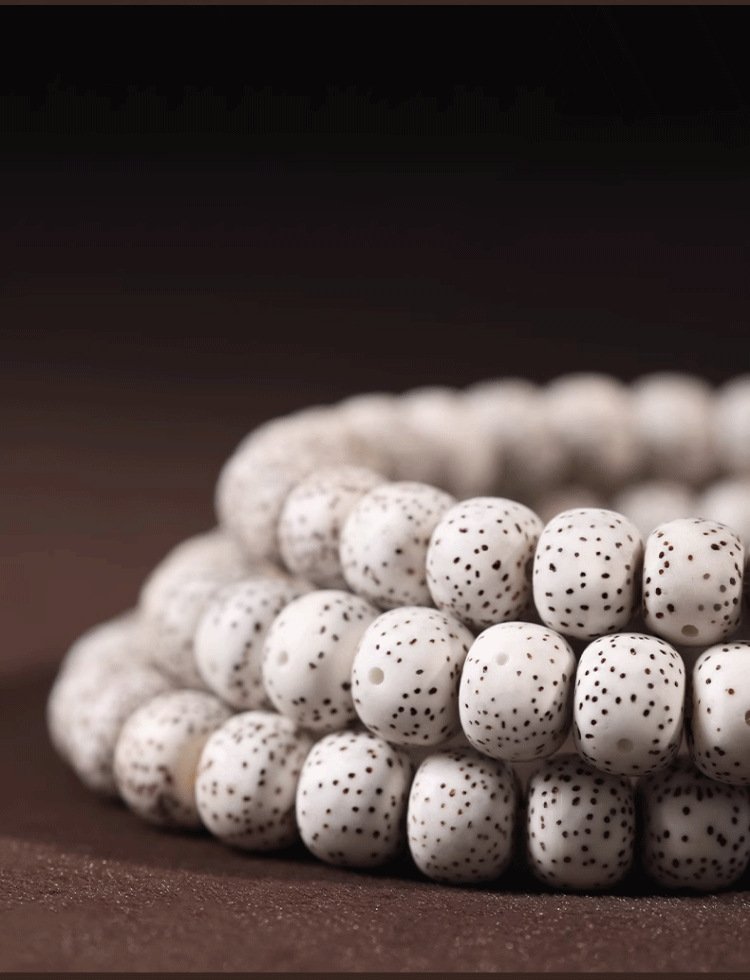
Seed and nut bracelets, such as those made from bodhi seeds or rudraksha seeds, are porous and can absorb moisture. This makes them susceptible to mold growth. Keep them dry at all times, and if they do get wet, dry them immediately in a well – ventilated area. They may also need to be oiled occasionally to keep them from becoming dry and brittle.
13. The Spiritual Significance of Playing and Maintaining Buddhist Bracelets
The process of playing and maintaining a Buddhist bracelet is not just about enhancing its physical appearance. It is also a spiritual practice. As you handle the bracelet, you are reminded of the Buddhist teachings and the path to enlightenment. The development of the patina can be seen as a metaphor for the spiritual growth and transformation that occurs over time. Maintaining the bracelet with care is a way of showing respect for the spiritual significance it holds, and it helps to deepen your connection to the Buddhist tradition.
14. Conclusion
Playing with and maintaining a Buddhist bracelet is a rewarding experience that combines physical care with spiritual devotion. By following the proper techniques for developing patina, avoiding common mistakes, and taking good care of the bracelet through cleaning and storage, you can endow your Buddhist bracelet with more vitality and longevity. This not only enhances the beauty of the bracelet but also enriches your spiritual journey.
15. FAQs
How long does it take for a Buddhist bracelet to develop a patina?
The time it takes for a Buddhist bracelet to develop a patina varies depending on several factors, such as the material of the beads, the frequency of handling, and the environmental conditions. Generally, it can take several weeks to several months for a noticeable patina to form. For some materials like wood, with consistent daily handling, a light patina may start to appear within a few weeks, while for harder stones, it may take longer.
Can I use a polishing cloth on my Buddhist bracelet?
It depends on the material. For some stone and gemstone bracelets, a soft polishing cloth can be used to enhance the shine. However, for wood bracelets, using a polishing cloth that contains chemicals may damage the wood. It is best to use a simple, soft, dry cloth for wood bracelets.
What should I do if my Buddhist bracelet gets wet?
If your Buddhist bracelet gets wet, dry it immediately with a soft, dry cloth. If it is a wood – based bracelet, make sure to dry it thoroughly to prevent warping or mold growth. For seed and nut bracelets, ensure they are completely dry and then place them in a well – ventilated area. Stone and gemstone bracelets can usually withstand being wet, but still, dry them to prevent water spots.
Can I play with my Buddhist bracelet while chanting mantras?
Yes, playing with your Buddhist bracelet while chanting mantras is a common practice. In fact, it can enhance your meditation experience. The act of moving the beads while chanting helps to focus the mind and keep track of the number of mantra repetitions.
How often should I replace the string of my Buddhist bracelet?
The frequency of string replacement depends on how often you use the bracelet. If you play with it daily, you may need to replace the string every few months to a year, especially if you notice signs of fraying. However, if the bracelet is worn less frequently, the string may last longer. Regularly check the string for any signs of wear to determine when it needs to be replaced.