
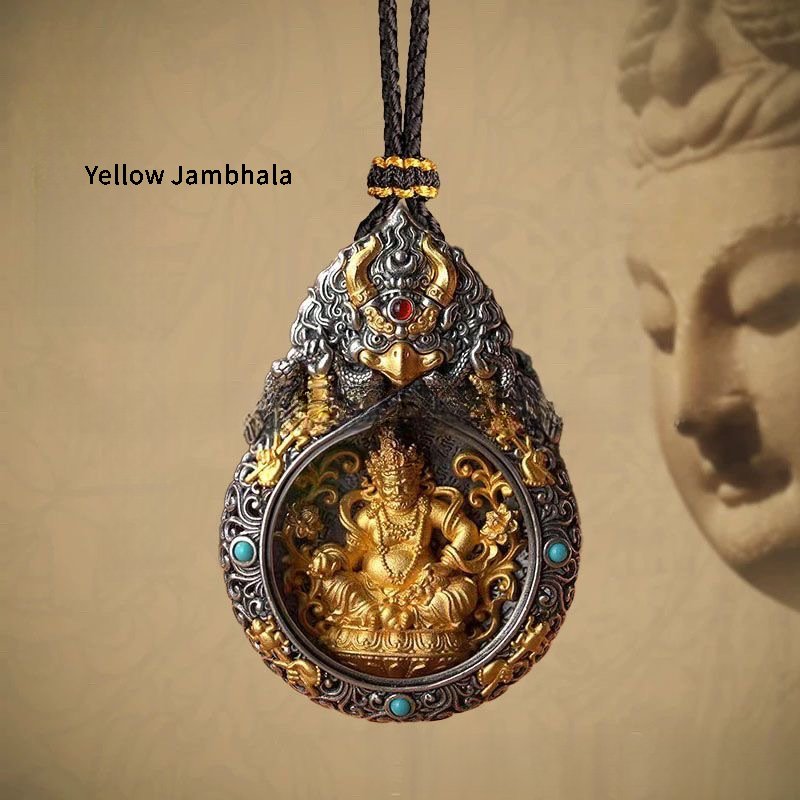
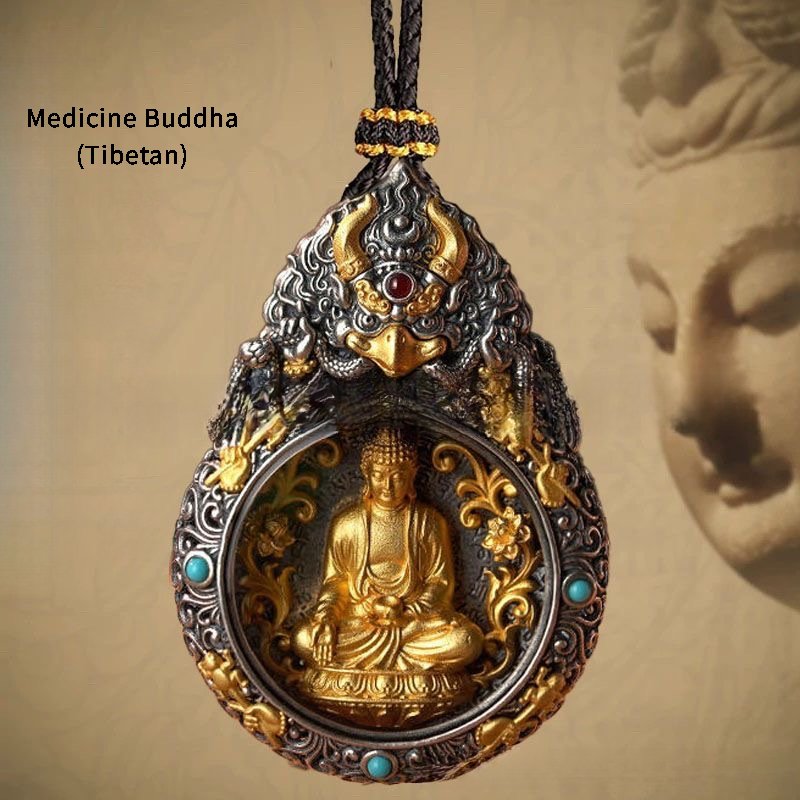
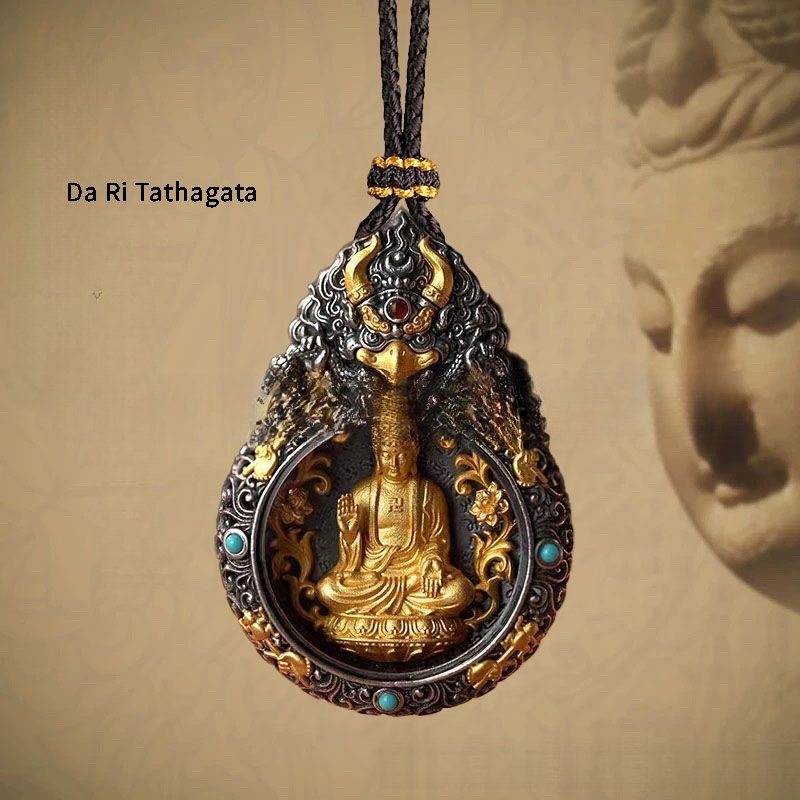
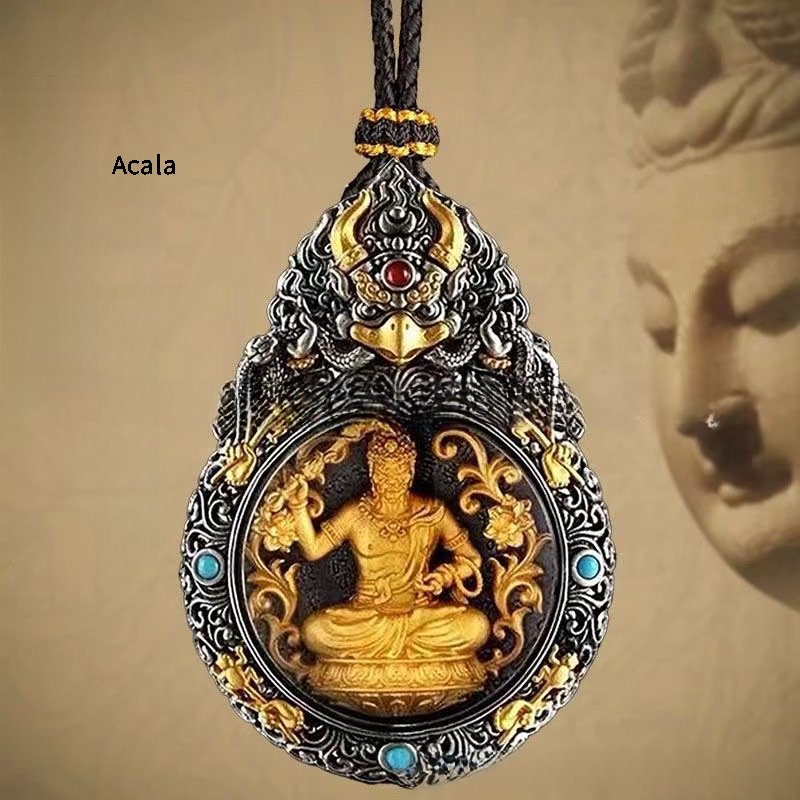
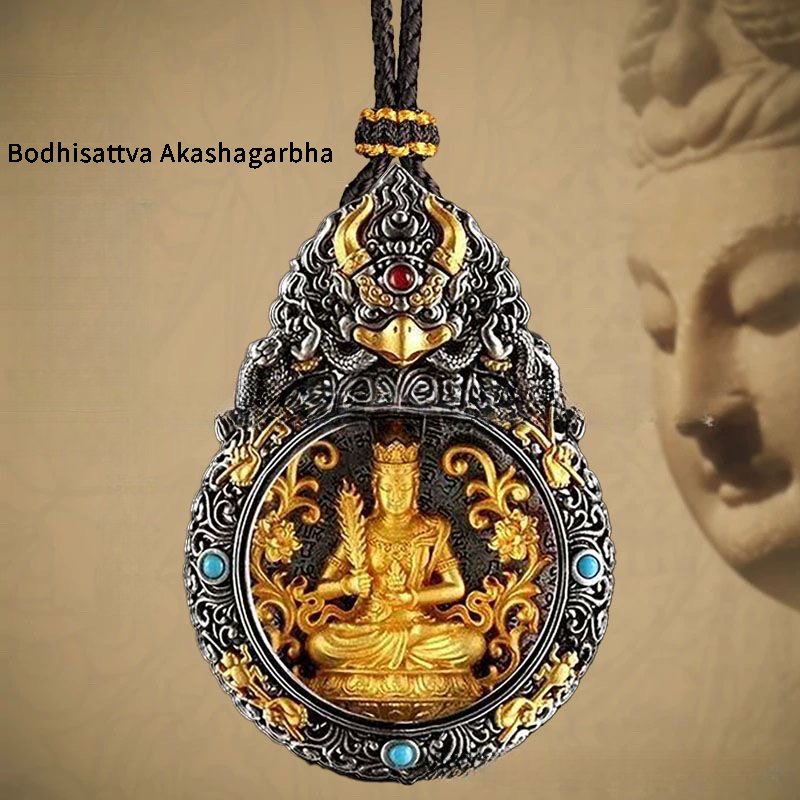
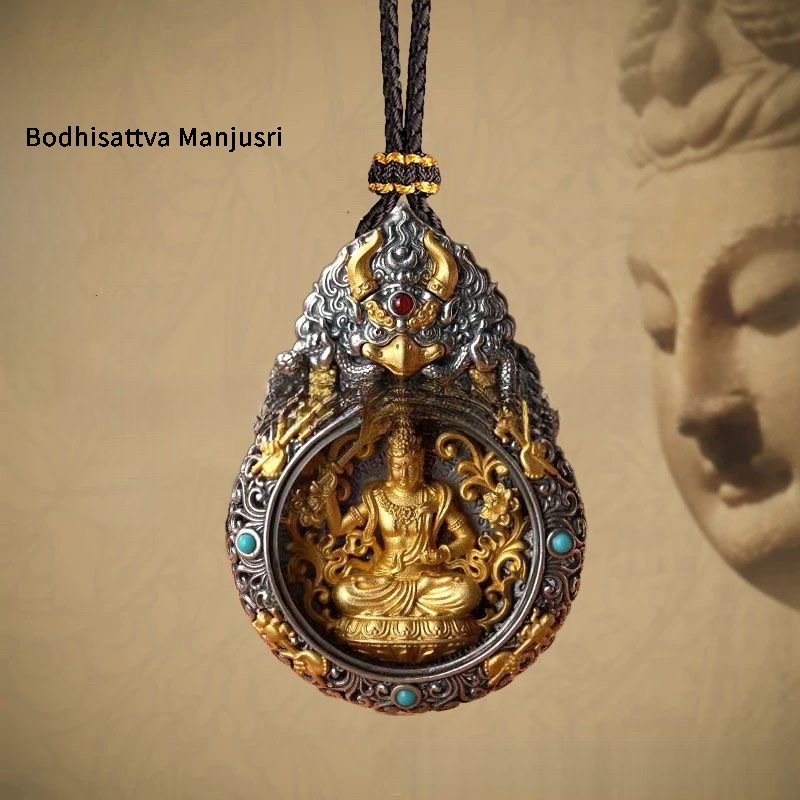
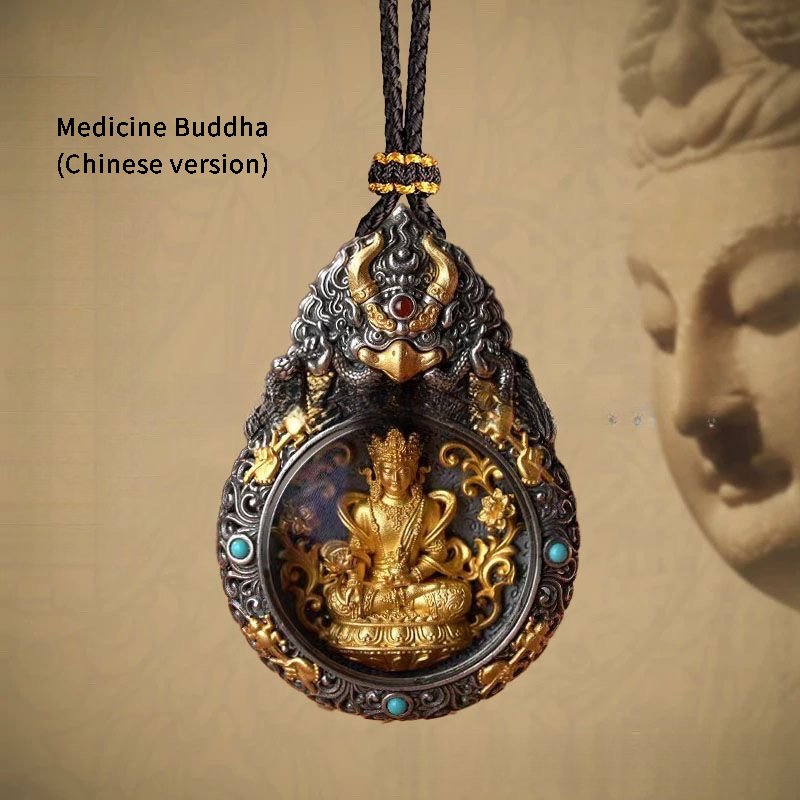
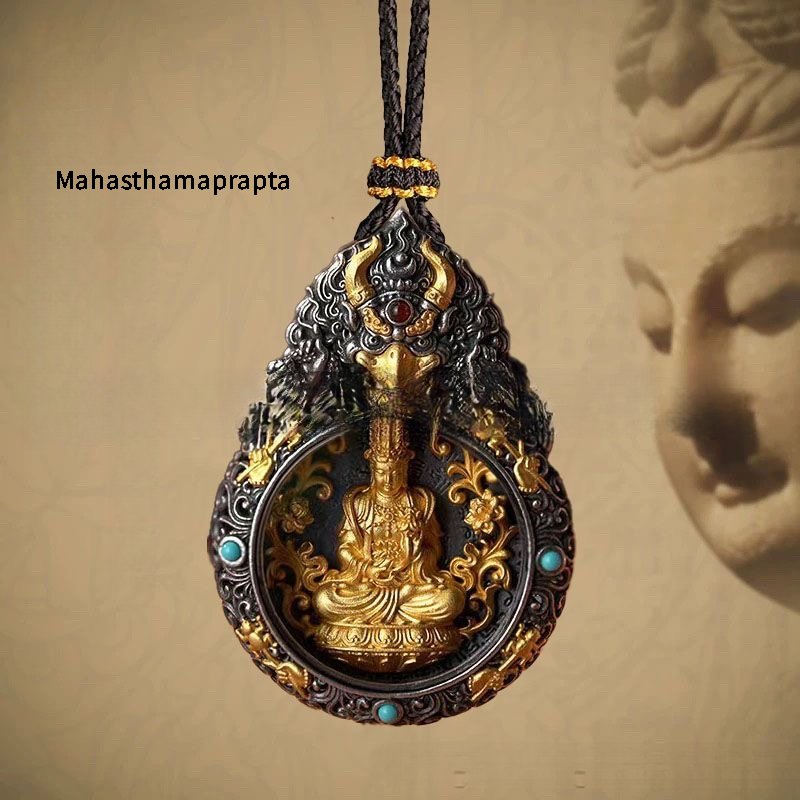
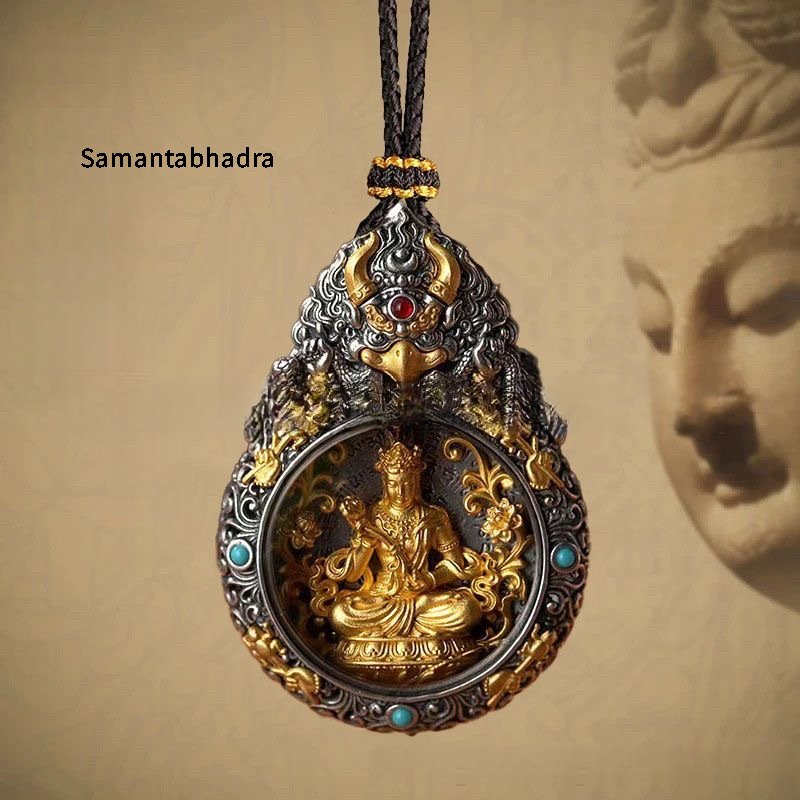
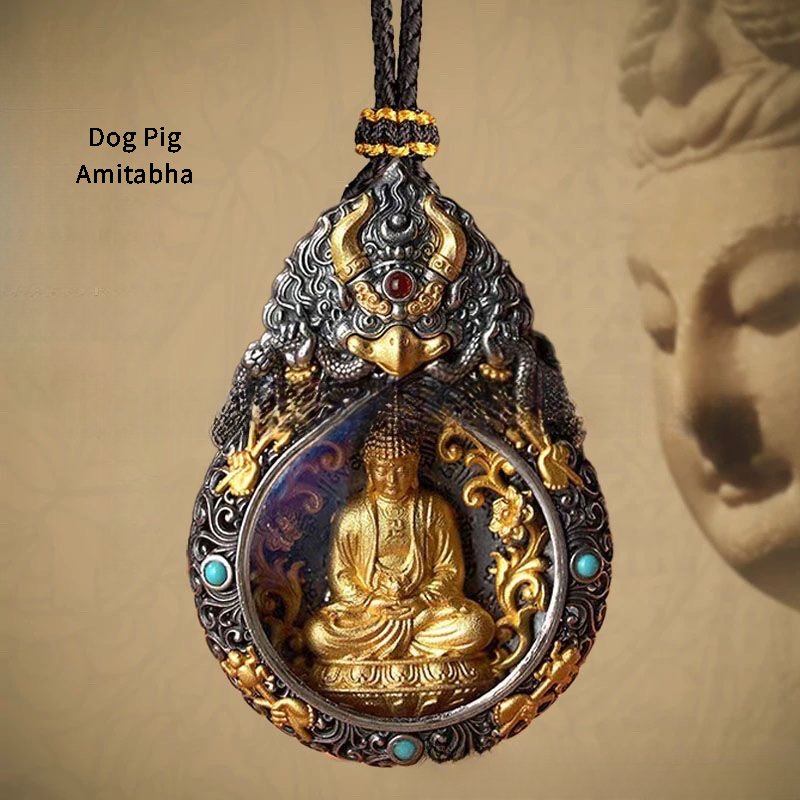
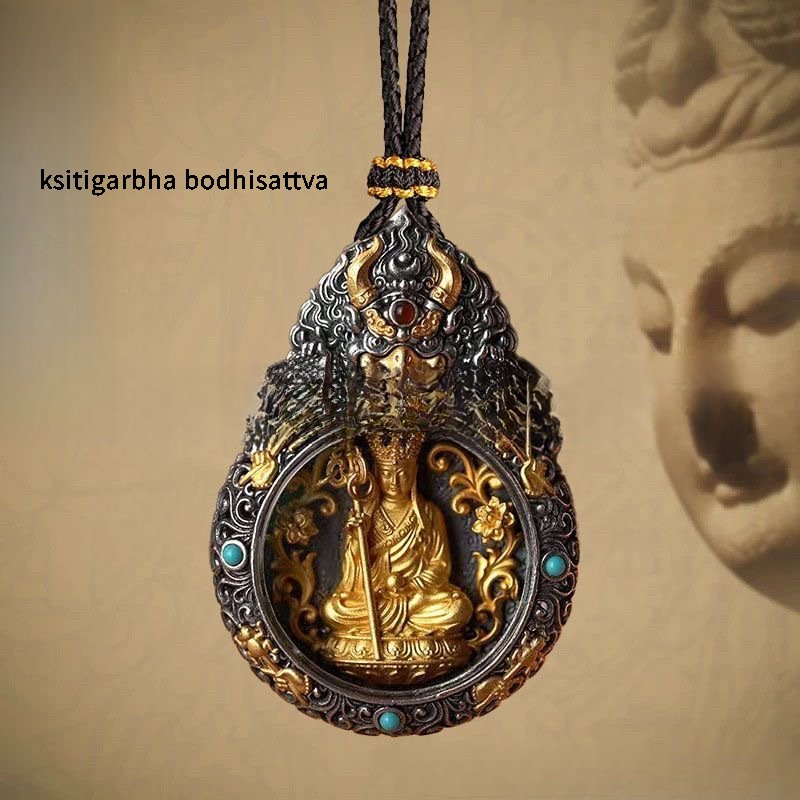
Buddha jewelry:Eight Great Guardian Deities, Gau Box, Yellow Jambhala, Medicine Buddha
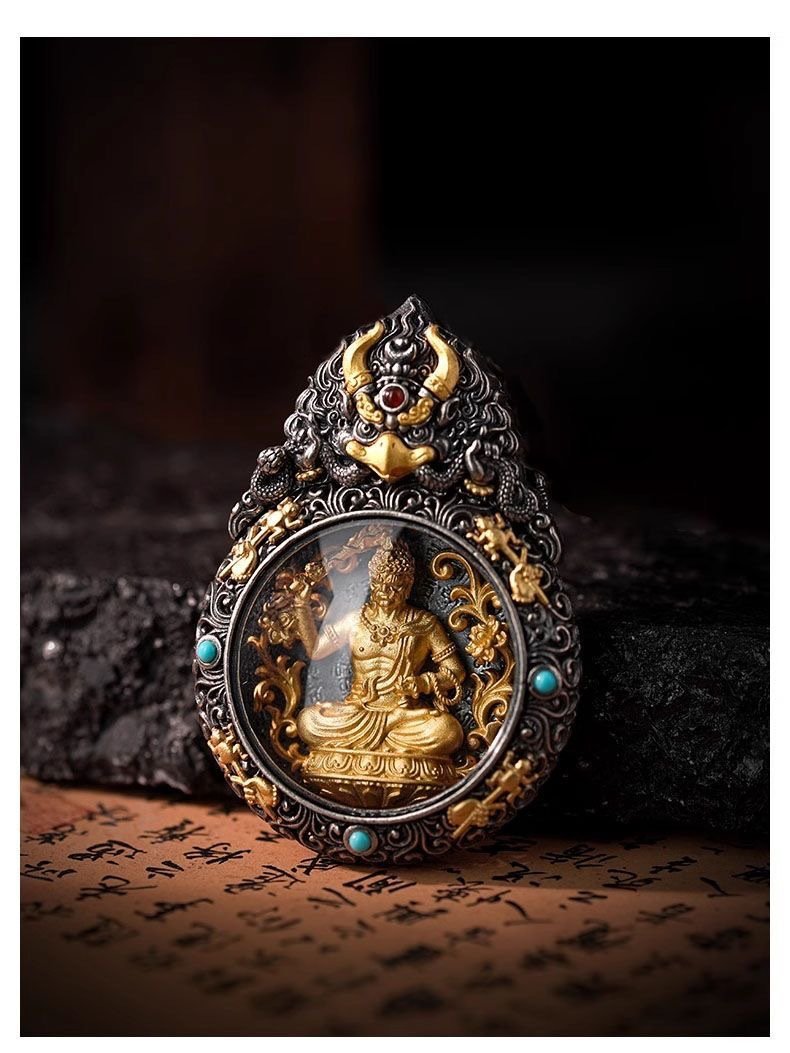
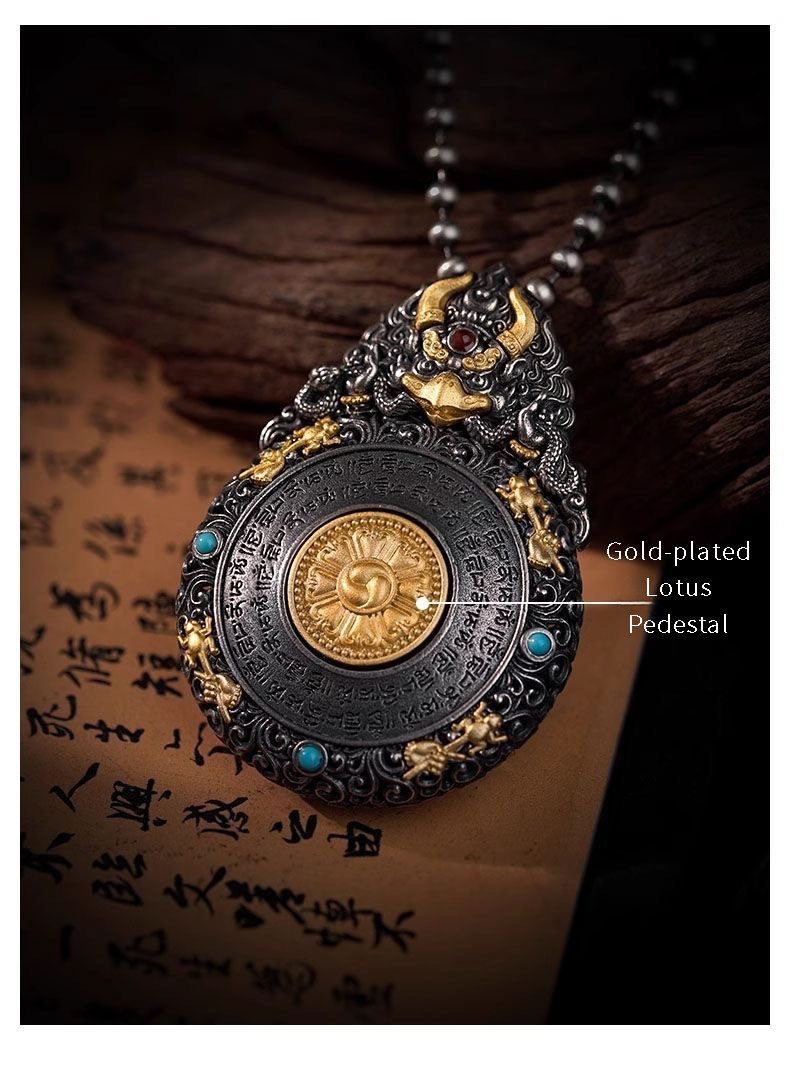
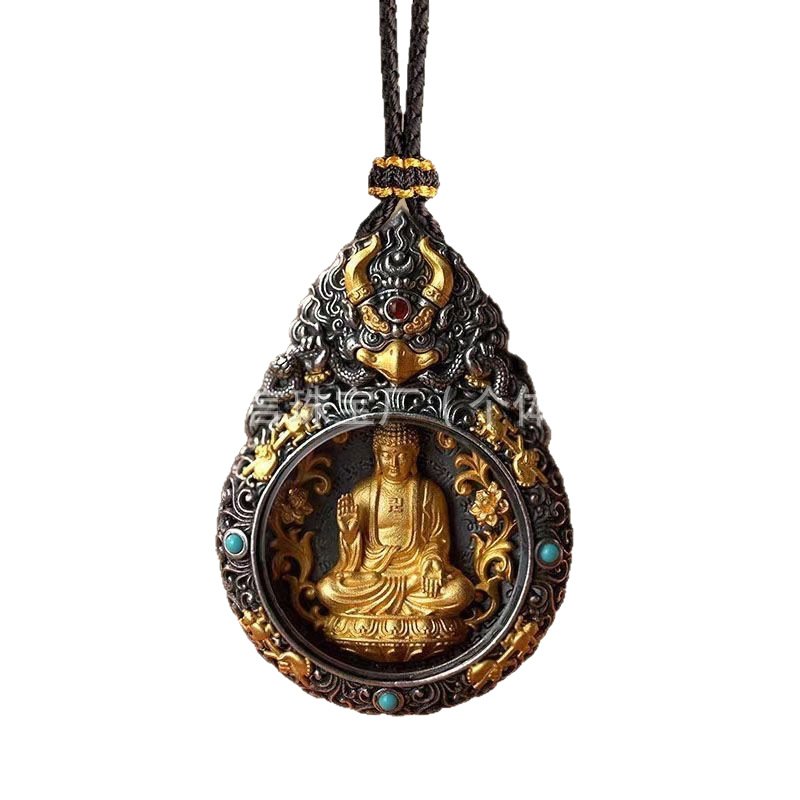
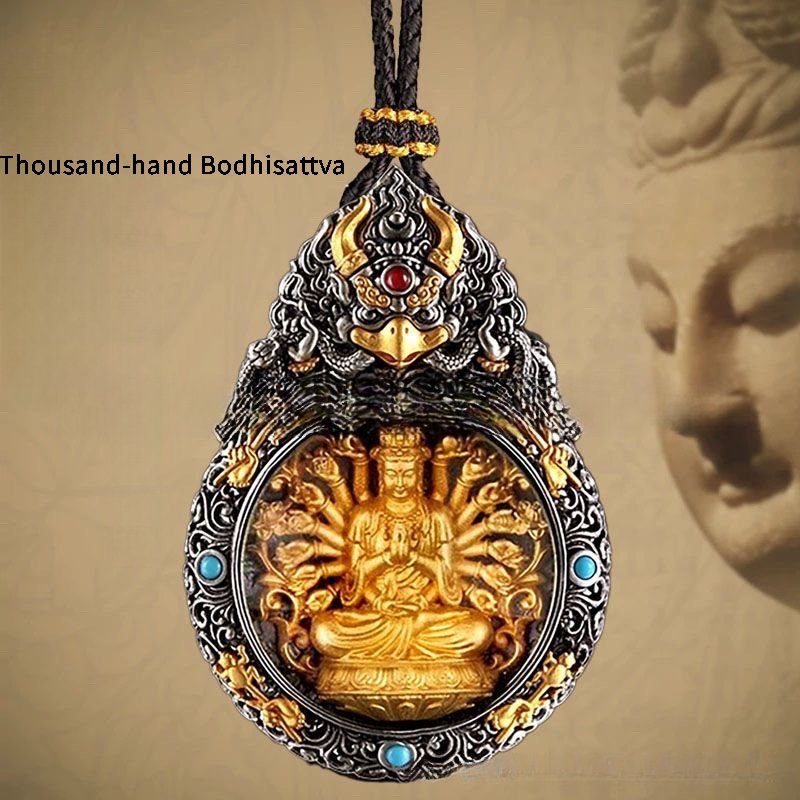
Jewelry featuring the Eight Great Guardian Deities, Gau Box, Yellow Jambhala, and Medicine Buddha is a profound fusion of spiritual symbolism and artistic craftsmanship, serving as both wearable devotional artifacts and exquisite expressions of faith. Each element carries deep-rooted significance in Buddhist tradition, making these pieces far more than mere accessories—they are tangible connections to sacred teachings and divine protection.
The Eight Great Guardian Deities
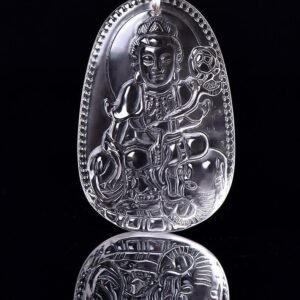
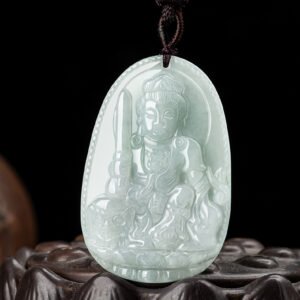
The Eight Great Guardian Deities, revered in Mahayana Buddhism, are celestial beings tasked with protecting the Dharma (Buddhist teachings) and safeguarding practitioners. Each deity—including Vaishravana (Guardian of the North), Jambhala (God of Wealth), and Yama (Lord of Death, symbolizing transcendence of fear)—possesses unique attributes and powers. Jewelry depicting these deities, often carved in metal or stone, captures their distinct iconography: Vaishravana’s regal stance with a treasure vase, Jambhala’s joyful posture holding a mongoose that spits jewels, or Yama’s fierce expression wielding a sword to cut ignorance. These detailed representations serve as reminders of divine protection, encouraging the wearer to embody virtues like generosity, courage, and wisdom. Crafted with meticulous attention to traditional iconography, the deities’ forms are rendered with sacred precision, from the folds of their robes to the symbols they hold, ensuring authenticity and spiritual resonance.
Gau Box
The Gau Box, a sacred container originating in Tibetan Buddhism, is a central element in many devotional jewelry pieces. Traditionally used to hold blessed items such as mantras, relics, or tiny statues, the Gau Box is believed to carry spiritual energy and offer protection to the wearer. These boxes, often crafted from metals like silver, copper, or brass with intricate engravings of mantras (such as “Om Mani Padme Hum”), lotus flowers, or the Eight Auspicious Symbols, blend functionality with symbolism. The compact, portable design allows practitioners to carry their faith close to the heart, while the act of wearing it fosters a sense of connection to the sacred. Vintage or antique-style Gau Boxes may feature oxidation or patina, enhancing their spiritual gravitas, as if infused with the prayers of generations. Modern interpretations retain the box’s essence, with secure closures to protect its contents and decorative details that honor its cultural heritage.
Yellow Jambhala
Yellow Jambhala, a prominent figure in Buddhist and Hindu traditions as the god of wealth and abundance, is a popular motif in spiritual jewelry. Depicted as a rotund, smiling figure holding a citron fruit (symbolizing prosperity) and a mongoose that dispenses jewels (representing generosity), Yellow Jambhala embodies the idea that wealth should be shared and used for good. Jewelry featuring his image—whether as a pendant, ring, or bead—serves as a reminder to cultivate both material and spiritual abundance. Crafted in metals like gold, brass, or copper (echoing his golden hue), these pieces often include intricate details: his beaded necklace (symbolizing spiritual practice), the folds of his ample robes, and his playful yet wise expression. Beyond wealth, Yellow Jambhala is associated with removing obstacles to prosperity, making his image a talisman for those seeking stability and success in life’s endeavors.
Medicine Buddha
Medicine Buddha, known as Bhaiṣajyaguru, is revered as the healing Buddha, associated with curing physical and mental suffering. His iconography typically features a blue or gold hue, holding a medicine bowl filled with nectar (symbolizing healing) and a myrobalan fruit (a medicinal plant). Jewelry depicting Medicine Buddha, often in pendant or amulet form, carries intentions of health, wellness, and compassion. The serene expression on his face—gentle eyes, a calm smile—instills a sense of peace, while his presence is believed to inspire the wearer to nurture their own well-being and extend kindness to others. Crafted with care, these pieces may include inscriptions of his mantra (“Tadyatha Om Bhaiṣajye Bhaiṣajye Mahabhaiṣajye Rajabhaisajye Svaha”) or lotus motifs (representing purity amid suffering). Whether worn during times of illness or as a daily reminder to prioritize health, Medicine Buddha jewelry serves as a tangible link to the healing power of faith.


Emily –
This gau box pendant is a masterpiece of spiritual symbolism! The engravings of the Eight Great Guardian Deities are intricate and detailed, each deity easily recognizable, and the Yellow Jambhala and Medicine Buddha accents add layers of meaning¡ªprosperity and healing, all in one piece. The gau box is sturdy, with a secure closure, and the metal has a warm, golden finish that looks luxurious. The chain is thick enough to be durable but still comfortable, and the pendant has a nice weight to it. I¡¯ve worn it to temple visits and family gatherings, and it always draws admiration for its craftsmanship. After weeks of wear, the engravings are still sharp, and the metal hasn¡¯t faded. A truly meaningful piece that feels like a protector.